12 secrets to the success of the Sous Vide method
Sous vide is a delicate cooking method in which food is vacuum-packed and cooked at a steady, low temperature for an extended period of time. The term “sous vide” is of French origin and literally means “under vacuum”. This is an interesting cooking technique, suitable for handling meat, fish, poultry, vegetables, fruits, desserts, oils and even alcoholic beverages.
Discover the history of the Sous Vide method
The history of the development of Sous Vide cooking technique is an interesting story. It originated from France in the 1970s and has gone through a journey full of innovation.
Initially, Sous Vide was used as a tool to extend the shelf life of food. However, in 1974, two French chefs – Pierre Troisgros and Georges Pralus – marked an important turning point in this history. Pierre Troisgros, a talented chef from Roanne, faced the problem of losing a lot of weight when preparing his foie gras the traditional way.
Not accepting the current state, he decided to work with Georges Pralus to find a new solution. They came up with the idea of wrapping the foie gras in food-safe plastic film and cooking it at different temperatures to achieve the best results. After many trials, they finally found the ideal temperature, and as a result, they reduced weight loss by 5%.
From then on, Georges Pralus became known as the “father of the Sous Vide method” or even the “pope of Sous Vide”. This step opened the door for the development and spread of Sous Vide cooking around the world, from high-end restaurants to the kitchens of home cooks.
12 Golden Secrets for Perfect Success with Sous Vide Slow Cooking Technique
Use Special Lid or Plastic Wrap
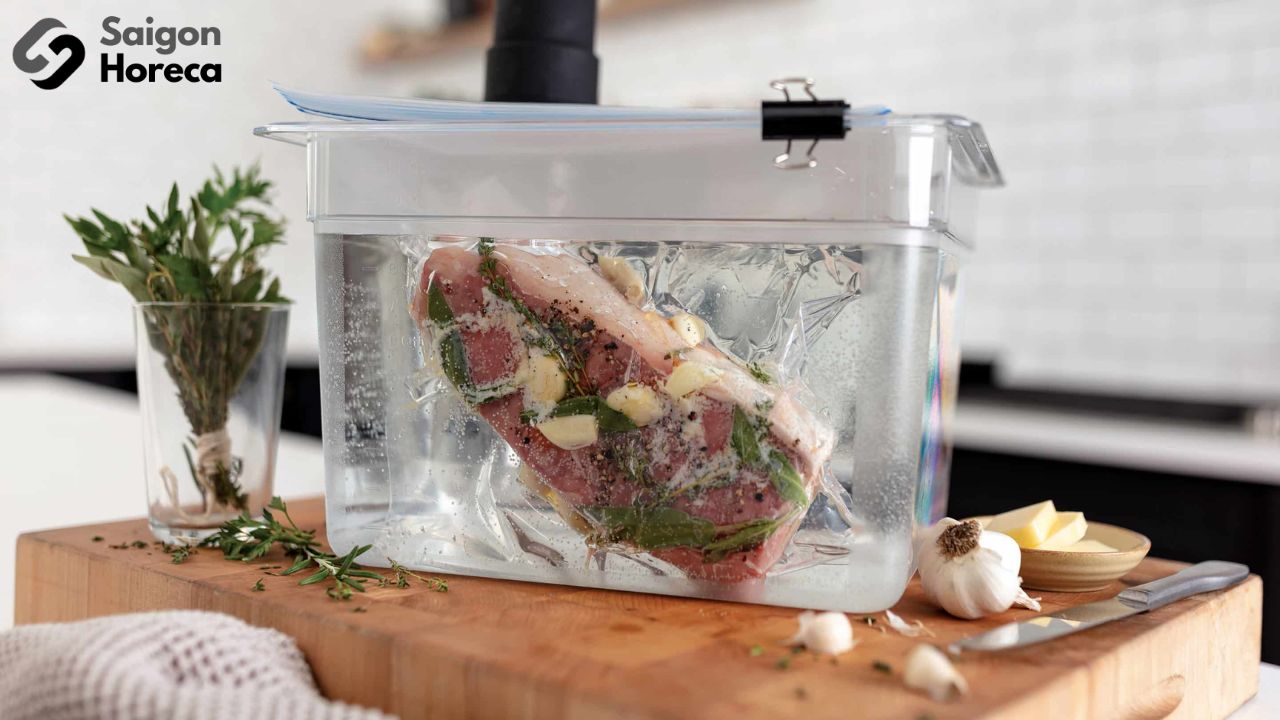
To keep the water bath operating effectively, it is important to keep the lid tightly closed. Some people often use a specially designed water bath with a groove to place the Sous Vide device, or they use discreet plastic wrap.
When the water in the water bath is heated, it tends to evaporate. If not prevented, steam can enter the electronic components of the Sous Vide slow cooker and cause damage or shorten the life of the appliance. Some people often use large cups to cover the water bath and try to retain the water.
However, after a long time, water can still evaporate and create moisture. This moisture can lower the temperature in the water bath and harm the moist cooking process. This is especially important in sous vide cooking, where temperature control is crucial to the quality of the dish.
An effective solution is to use plastic wrap. This membrane helps prevent water evaporation and also keeps the temperature more stable in the water bath. This helps ensure that your dish will cook evenly and achieve the best results when using the sous vide method. This represents an extremely important element in moist sous vide cooking.
Choose Spices and Flavors Carefully
Be careful when choosing flavorings and spices to use in vacuum bags during moist sous vide cooking.
Some flavorings can have a quick and unwanted effect on your dish if left too long in a bag with meat or vegetables. For example, garlic and black pepper can cause the natural flavor of food to be lost and even create an astringent taste if exposed for too long.
However, if you want to enhance the flavor of the dish, you can use strong spices and herbs such as thyme, garlic, onions. Remember to reduce the amount of these spices when you use them, as they can have a strong effect on the taste.
Dried herbs often perform better in sous vide cooking than fresh herbs. This is because dried herbs often have more concentrated flavors and aromas, helping them penetrate the food more effectively.
Remember that choosing and using spices and flavorings is an important part of sous vide cooking to ensure you get a delicious meal and carefully balance their placement.
Seal the Vacuum Bag Tightly
Make sure you seal the vacuum bag tightly, ensuring no air remains between the food and the bag it came in.
Air gaps can cause irregularities in the cooking process. The bag should cover the food directly, leaving no air inside. Some people have even suggested using a zip-lock bag for easy sealing, but for the Sous Vide method, you need to make sure to completely remove the air from the bag before sealing for best results.
Use a Bottle to Protect Kitchen Surfaces
Place the hot water pot or vessel you will use for sous vide cooking on a gasket or stove top.
Note that pots or water bottles should not be placed directly on the kitchen surface without protection. Although most flat surfaces can withstand short periods of high temperatures or hot water spills, there are some surfaces such as wood, marble, and granite that can be damaged. Therefore, unless you are sure that the surface you place the pot on is heat and water safe, you should protect them from direct heat and water.
Ensure the Vacuum Bag is Always Soaked in Water
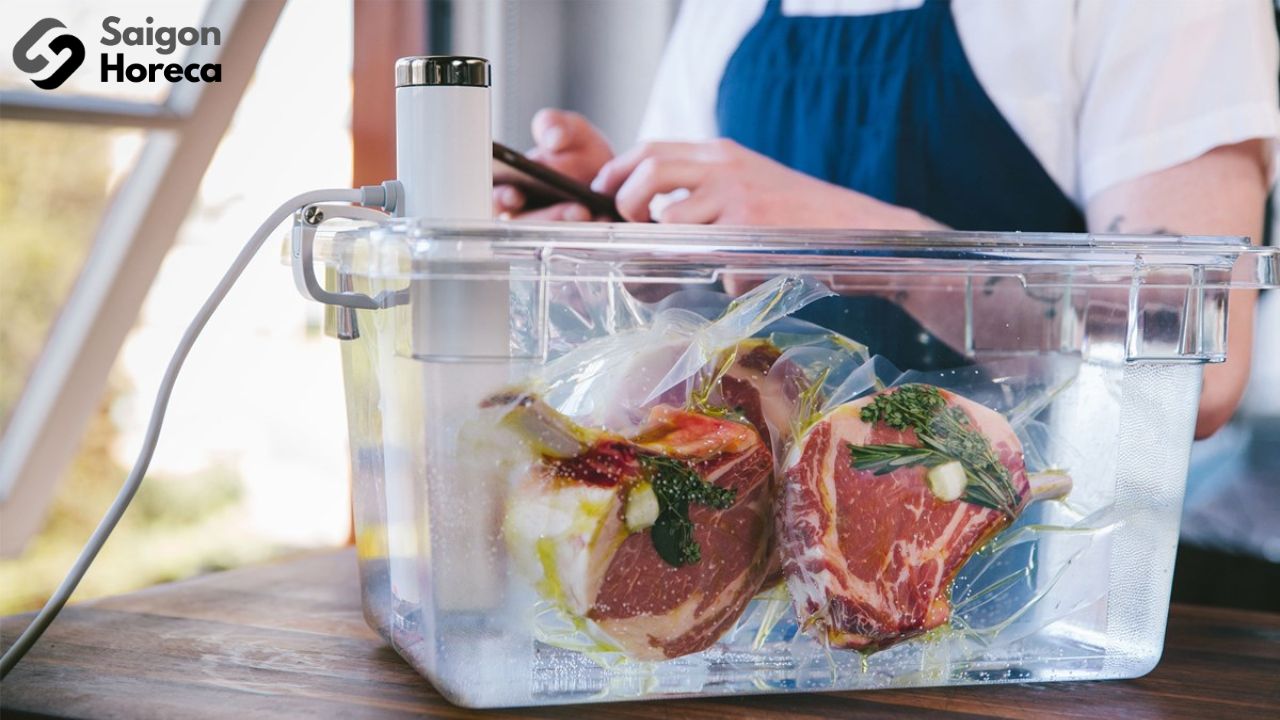
Make sure your vacuum bag is always submerged in water.
At times, during use of the immersion heat circulator, the vacuum bag may float and sink to the surface of the water like a fishing float. This can create air in the bag and make the cooking process difficult. To solve this problem, you should add a light weight to the inside corner of the bag before sealing, but make sure that it does not come into contact with the dish being cooked.
Cook Meat Quickly Before Sealing
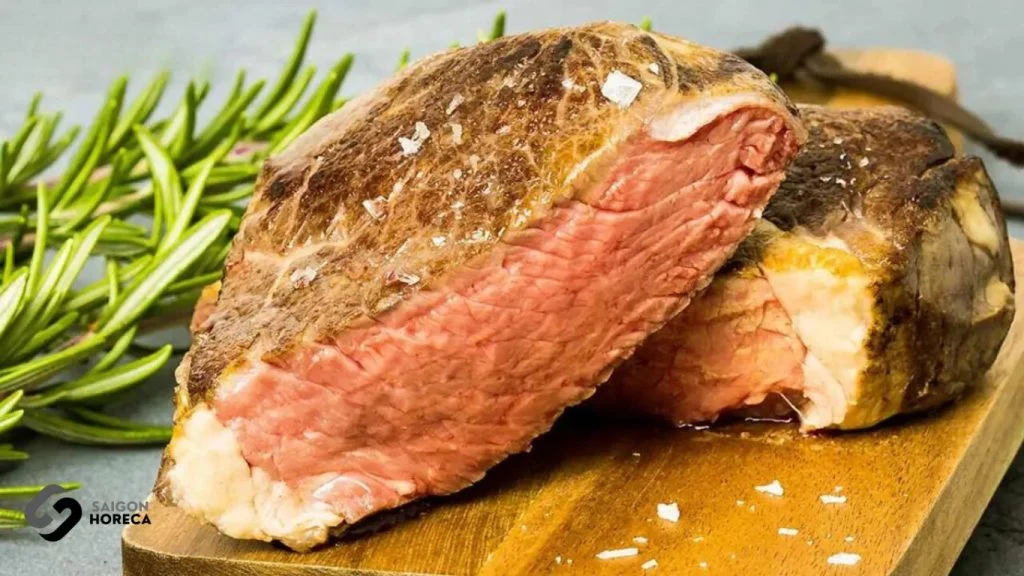
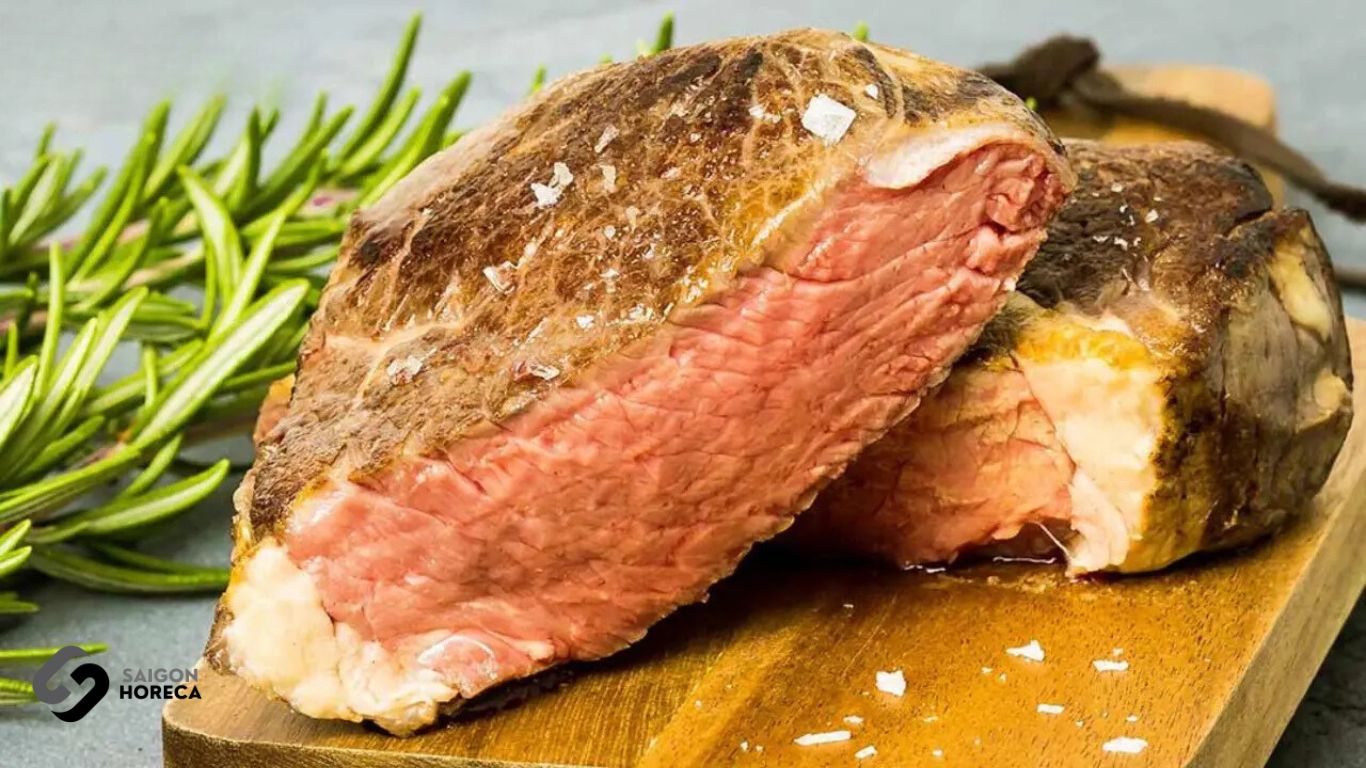
Briskly cooking meats before vacuum sealing can be an exceptional flavor enhancer for beef, pork, bison, venison and other meats using the Sous Vide cooking method. This extra preparation activates the Maillard reaction (browning reaction) between the amino acids and reducing sugars, creating a deep flavor in the meat when cooked slowly in the brine. However, is this necessary for sous vide?
Actually, no, this is not required and depends on your personal preferences and ultimate goals. Many restaurants do not take this step because it adds to the cooking process and increases food preparation time. Instead, they can slow cook the meat after it has been seasoned and only cut the meat after cooking. However, if you want to be a culinary expert for your family and guests and make a difference to the flavor, quickly cooking the meat before sous vide cooking can be an interesting option.
It is important to understand that this is not mandatory, and you can decide depending on the situation and the goals of the dish you want to make.
Preparing Food Before Cooking
Let’s assume that you’ve already “pre-cooked” your meat and you want to bring it down to below 38°F before sous vide cooking. This step is not necessary if you have not prepared the meat first. To do this, place the meat in a vacuum bag and immerse the bag in an ice bath.
In the process of doing this, there is no need to seal the bag, leave the bag above the water and leave it open. You need to lower the temperature of the meat below room temperature, and 20 minutes is enough. Some people may wonder about the importance of this step, and some say it can cause food safety problems when meat is left at room temperature for too long. Let me address both of these aspects.
First of all, there are no food safety issues when meat is left at room temperature for short periods of time, usually no more than 2 hours. In fact, preparing, cutting, chilling and sealing a “pre-cooked” piece of meat usually takes less than 30 minutes. Consider refrigerating the meat by boiling the meat juices at a low temperature below 212°F under pressure. If you switch from boiling water in a pan to boiling water at 130°F, you will not boil the food in the vacuum bag. However, consider how the food would feel if you cooked beef for 30 hours or a vegetable dish for 40 minutes at these temperatures. Although the taste remains good, there may be a change in texture.
A quick tip, before placing the meat in the bag, roll the top of the bag down about 5cm. This will keep it away from meat, spices or juices and won’t interfere with the sealing process. Use a paper towel to make sure the roll area is dry and unroll before sealing.
Bacteria and the risk of botulism.
Although few people talk about this topic in Sous Vide, there is nothing to worry about if you handle and store food properly. Most meats can be left unrefrigerated for up to two hours without problem. Leaving it longer can create conditions for bacteria to grow. Meat that has been sealed in a vacuum bag can be soaked in water for days without risk, however, leaving it too long can cause the meat to become a poisoning risk. However, remember to keep food for less than 3 days to ensure safety.
Do not leave meat in a vacuum environment for more than three days. Although the instructions may allow for longer, I always stick to the 72-hour rule. When you take the meat out of the brine, don’t put it in the refrigerator with the intention of opening the bag after a day or two to use it. Instead, open the bag and use immediately. Botulism is a toxin produced by anaerobic bacteria, meaning it does not require air to grow, like the environment in a vacuum-sealed bag. If you sous vide a piece of meat for 3 days and leave it in the refrigerator for 2 more days, you have allowed bacteria to grow for 5 days, which is risky. Therefore, please adhere to the 72-hour rule.
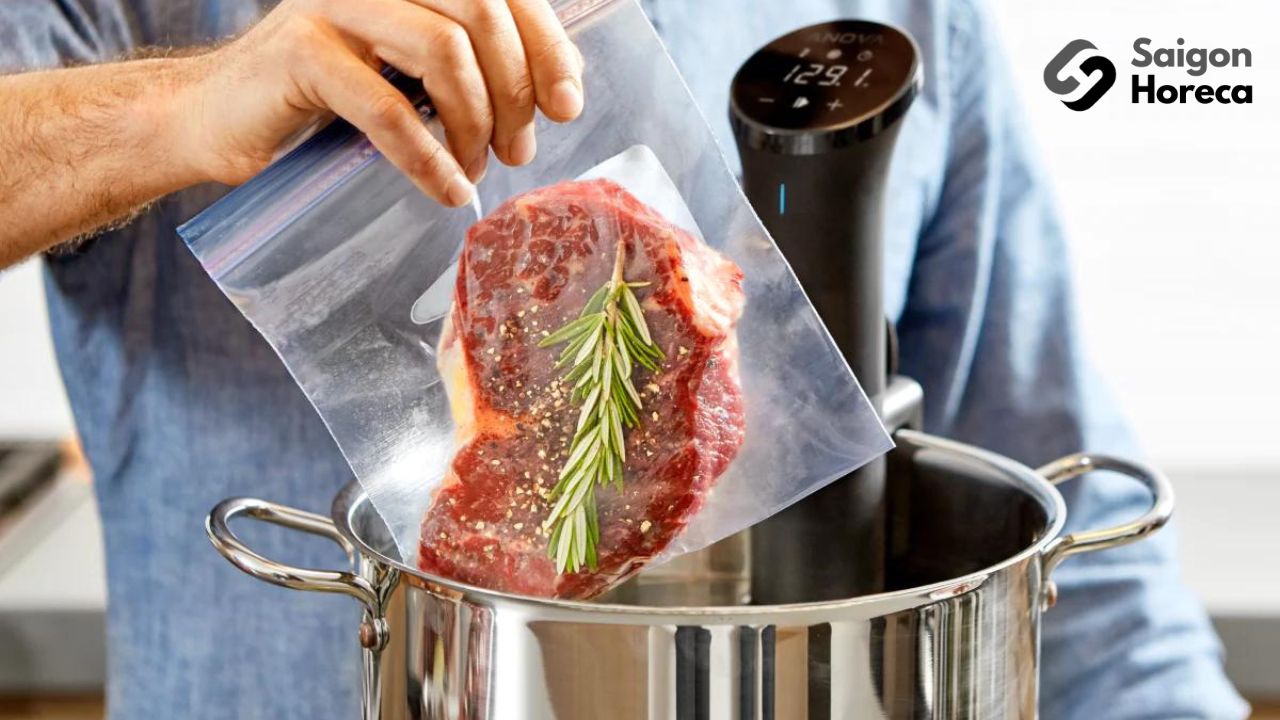
Whole Bag Before Sealing
Before sealing the vacuum bag, put the bag in the freezer for about 5-10 minutes to make the water in the bag freeze and solidify.
Most home vacuum sealing systems will remove air and moisture from the bag, and sometimes this moisture can cause difficulties in the sealing process. By placing the bag in the freezer, you will solidify the water in the bag and make it easier to seal when using a vacuum sealer. If possible, you should also use a vacuum sealer that has a humidity control feature or a seasoning mode. Although this is not required, it will certainly help the process of sucking air out of the bag more smoothly and effectively.
For tender meat, vacuum sealing is not recommended
For soft foods such as fish, do not use a vacuum cleaner.
Fish is a typical example. Salmon and similar fish often have a soft texture, and when you use a vacuum sealer to seal the bag, it can compress the fish flesh. The result will be a fish dish with an unnatural texture, instead of the tender and delicious fish you want. Some vacuum sealers have a gentler working mode, but to ensure the quality of soft foods, you should consider sealing the bag manually without using a vacuum sealer.
Only cook for the necessary time
If 30 hours is enough, then 72 hours cannot make food more delicious.
Often, you will hear chefs and home cooks talk about Sous Vide cooking lasting up to 72 hours. They claim that longer cooking times make foods softer because protein bonds are broken. The problem here, however, is that if you cook food for too long, it will lose too much moisture. Each type of protein has its own recommended cooking time, but a general rule is to cook it for no more than 36 hours.
Fortunately, there are now many mobile apps like SousVide Dash, ChefSteps, and Polyscience Toolbox as well as online resources to help you determine the right time and temperature for the specific foods you want to cook. This will help you cook your sous vide food accurately and deliciously. Refer to temperature recommendations for each food for best results.
Using Two Temperature Settings
For professional users, consider using two temperature settings.
When you prepare to cook meats such as pork, beef, bison, lamb, and the like, start by cooking the protein at 120 °F (48.9 °C) for about 8 hours. Then, increase the temperature to the desired level for the remainder of the cooking time. This low initial temperature helps break down connective tissue better than maintaining a steady temperature throughout the cooking period. The result will be a dish that’s even fluffier than you might expect.
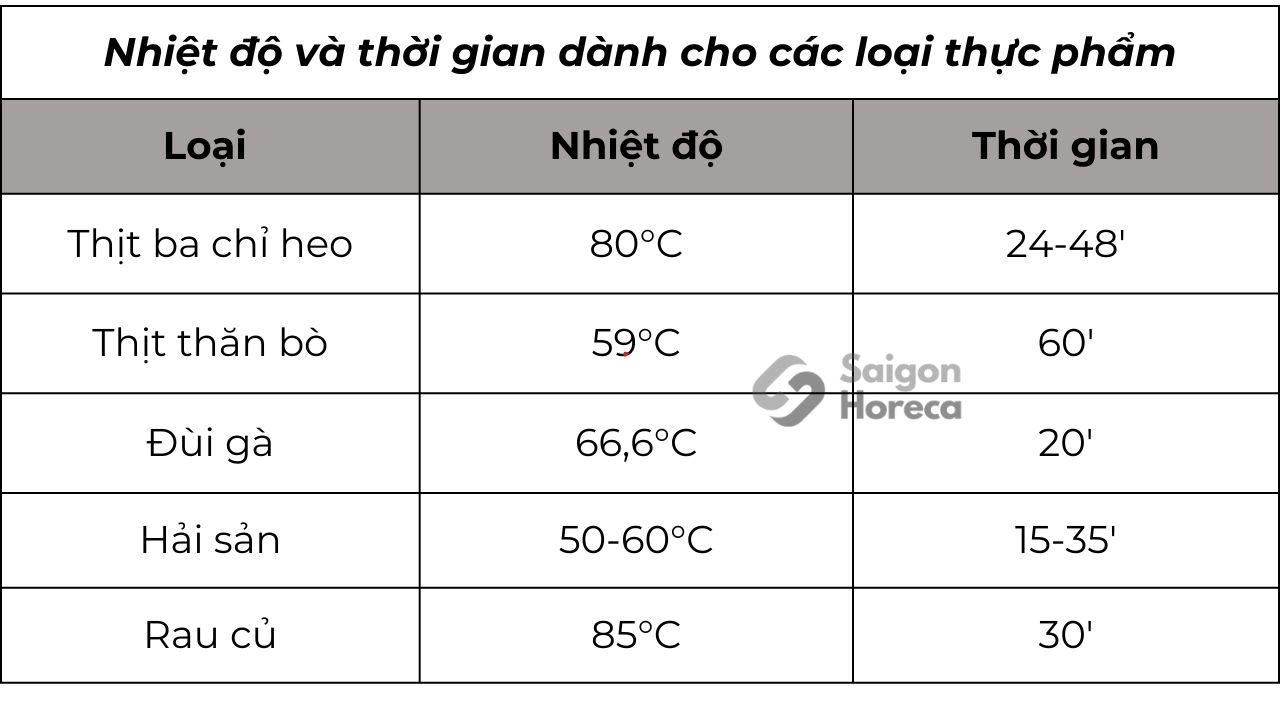
Temperature and time for foods
 Facebook
 Zalo
Zalo