
Top 10 energy saving tips for restaurants
For restaurant owners, optimizing electricity, gas or water usage has become an indispensable factor to maintain profits and reduce cost burdens. Besides saving, applying effective energy saving solutions also makes an important contribution to protecting the environment, helping to reduce emissions and negative impacts on nature.
Not only large corporations but even small restaurants can benefit from applying smart energy saving methods. This not only helps reduce operating costs but also creates a positive image for the brand, attracting customers interested in sustainability.
In this article, we will share with you the top 10 energy saving tips for restaurants, helping you both save costs and contribute to protecting the planet.
Optimizing industrial kitchen equipment
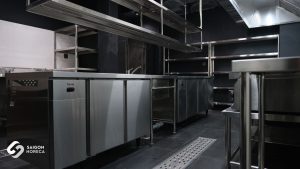
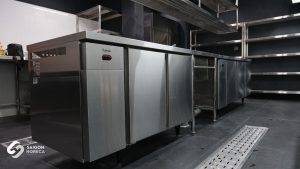
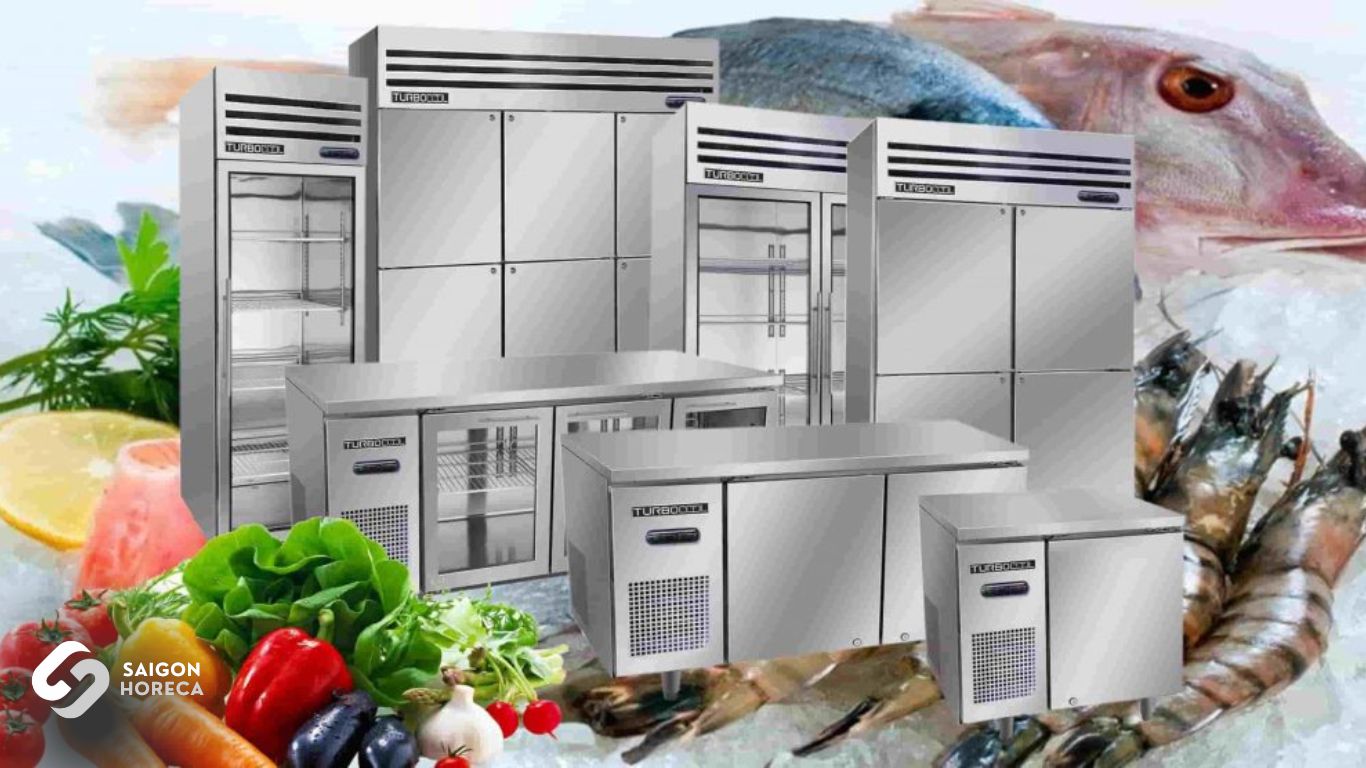
One of the simplest and most effective ways to save energy in a restaurant is to optimize the use of industrial kitchen equipment. Choosing the right equipment not only helps you reduce your electricity bill but also increases its operating efficiency and lifespan.
The way the device is used also greatly affects energy consumption. For example, avoid opening the oven door too often to keep the temperature stable. With the refrigerator, do not overload it and arrange food so that cold air circulates well.
Don’t let the device “run until it breaks before repairing it.” Regular cleaning and periodic inspection help equipment operate more efficiently. Cleaning the oven’s grease filter, checking the rubber gasket on the refrigerator door or removing residue from the induction cooker are small things but help save significant energy.

Application Using technology and smart kitchen equipment
The application of modern technology and smart kitchen equipment brings convenience and optimization to save energy during restaurant operations. These innovations help automate processes and significantly reduce energy waste.
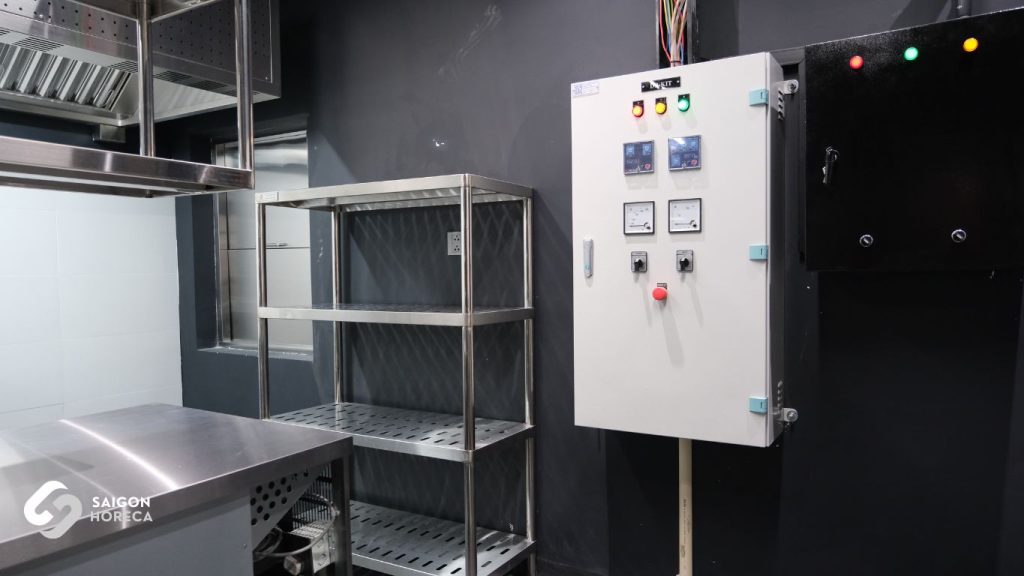
Automatic temperature controller
Using automatic temperature controllers for air conditioning systems and ovens is an effective solution.
This device automatically adjusts the temperature according to actual needs, ensuring the space is always comfortable without consuming unnecessary energy.
In addition, regulators can be programmed to reduce temperatures outside of operating hours, avoiding waste when the restaurant is empty.
Energy saving LED lights
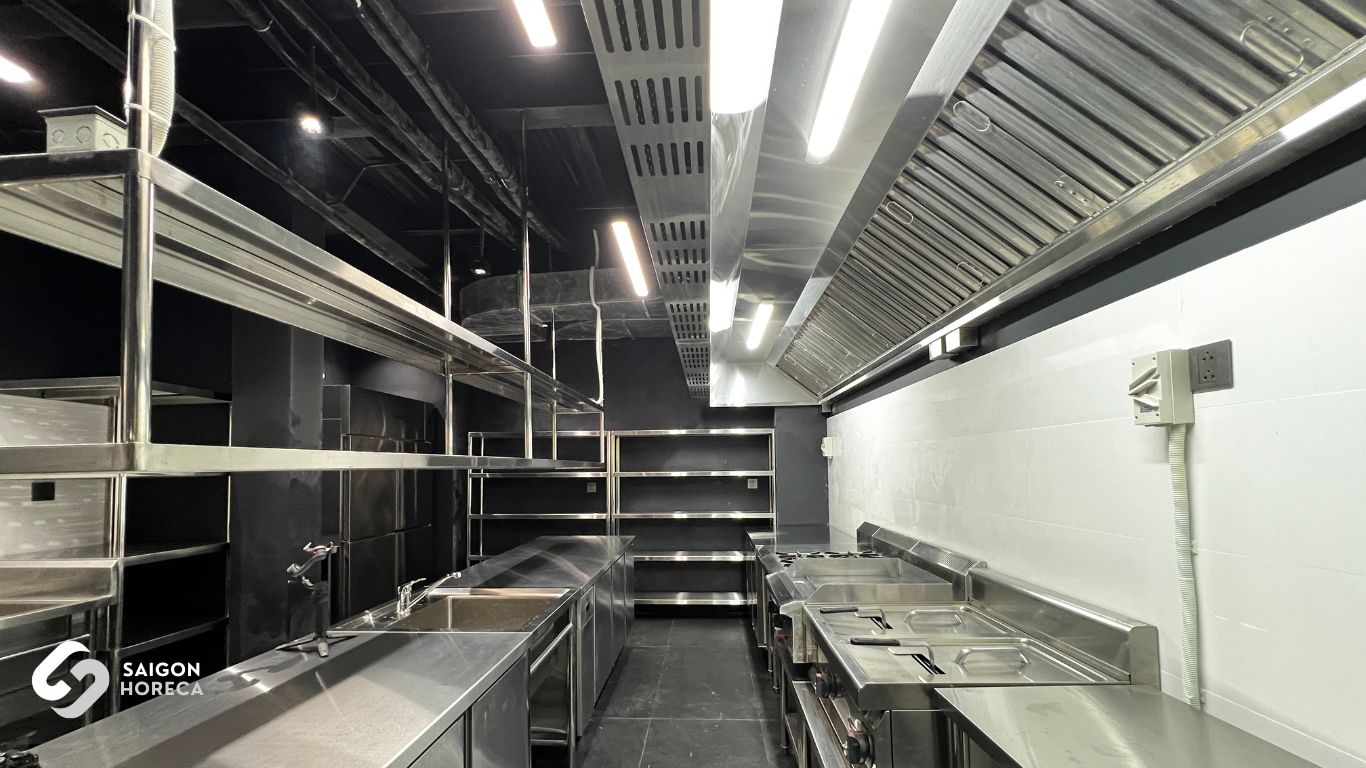
Replacing traditional light bulbs with LED lights not only significantly reduces electricity consumption but also extends the lifespan of the lighting system.
Current LED lights also integrate light or motion sensors, automatically turning on and off when needed, helping to reduce energy waste.
Smart kitchen equipment
Smart machines such as induction cookers that automatically turn off when not in use, refrigerators with the ability to monitor temperature via applications, or water-saving dishwashers are ideal devices.
Energy management system
This system allows monitoring and analyzing the energy consumption of each area in the restaurant. Thereby, you can identify and optimize the areas that consume the most energy, from the kitchen to the dining area.
Applying energy-saving technology and smart equipment not only helps reduce electricity and water costs but also modernizes restaurant operations, providing a better experience for both employees and customers.
Use energy-saving equipment
Replace old equipment
Equipment for cooking and preparing food is one of the most energy-consuming elements in a restaurant. If you are using old and ineffective equipment, boldly invest in new, more modern equipment. They not only save energy but also increase productivity, contributing to reducing long-term operating costs.
Choose specialized energy-saving equipment
- Dip fryer: Unlike traditional fryers using gas or electric stoves, modern fryers not only optimize usable area but also save energy and frying oil. This device helps control temperature better, reduces oil burn, and provides higher cooking efficiency.
- Industrial dishwasher: With the ability to clean a large number of dishes in a short time, industrial dishwashers help significantly reduce water usage, save labor costs, and ensure hygienic performance.
Choose appliances with the Energy Star label
The Energy Star label is considered a prestigious international standard to identify devices with high energy efficiency. This program was initiated by the US Environmental Protection Agency (EPA) in 1992, helping businesses reduce operating costs and protect the environment.
In Vietnam, energy labels are also divided into two types:
- Confirmation label: For products that meet optimal energy saving standards.
- Comparative energy label: Helps users easily compare performance between products of the same type.
Equipment cleaning and maintenance suffer
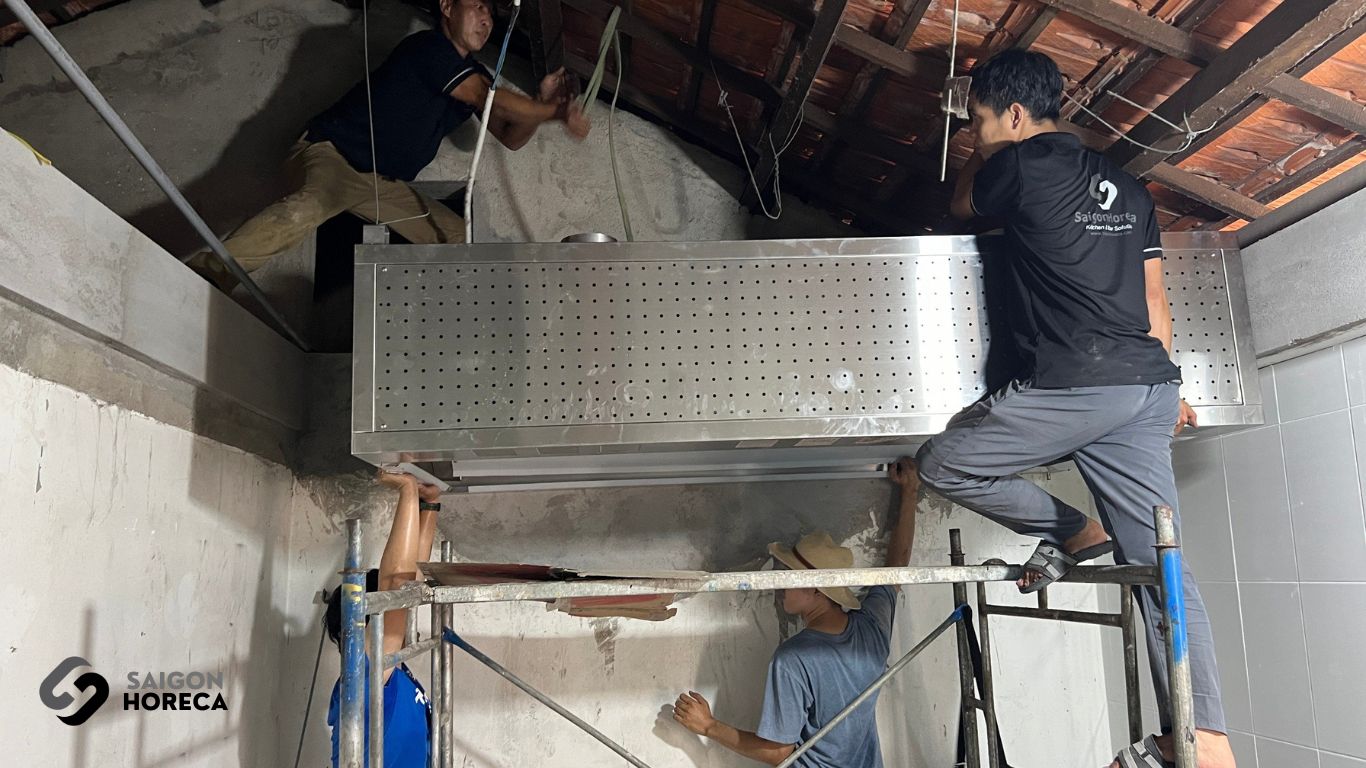
A device that is not cleaned and maintained regularly will consume more energy, reduce performance and longevity. Here are simple but effective ways to ensure optimal operation and energy savings:
1. Clean refrigerator coils
The refrigerator coil is usually located on the back or bottom of the refrigerator. Over time, dust and dirt build up causing the coil to become insulated, reducing its ability to dissipate heat. This forces the refrigerator to work harder, resulting in more energy consumption.
How to do it:
- Turn off the power to the refrigerator and unplug it.
- Use a soft brush or vacuum cleaner to clean dust and dirt from the coil.
- Do this periodically (about every 3–6 months) to maintain cooling performance.
2. Change water filters regularly
Water filtration systems in appliances such as dishwashers, coffee makers or boilers help prevent calcification and mineral accumulation. If the filter is not replaced promptly, minerals will accumulate, causing blockages and reducing the efficiency of the device.
Benefits:
- Reduces the risk of damage and repair costs.
- Helps equipment operate more efficiently, saving water and energy.
How to do it:
- Check your device’s user manual to find out when to replace the filter.
- Be sure to use genuine or compatible filters to avoid affecting water quality and device performance.
In addition to cleaning and replacing components, regular maintenance of industrial equipment in the kitchen also helps detect potential problems early, prevent major damage and ensure stable operation of the equipment. This not only minimizes repair costs but also contributes to saving energy and increasing the durability of the device.
Cleaning and maintenance is not simply a daily task but also a long-term strategy to reduce energy costs, improve efficiency and maintain sustainable operations for your restaurant.
Reduce water consumption
Water is an important resource but is often wasted in restaurants due to high demand. Below are some effective solutions to reduce water consumption, help save costs and protect resources:
1. Use a low-flow spray valve
Spray valves before washing dishes often consume a significant amount of water. By replacing with new valve models with lower GPM (gallons per minute) ratings, you can significantly reduce water usage while still maintaining cleaning effectiveness.
Benefits:
- Save water without reducing washing quality.
- Easy and inexpensive installation.
2. Install a low-flow aerator
Hand sinks usually do not require large amounts of water, but if not controlled, water will be wasted. Low-flow aerators help reduce the amount of water flowing through the faucet while still ensuring enough water pressure for effective use.
How to do it:
- Install aerators into existing faucets.
- Choose devices with low traffic ratings for maximum savings.

3. Check and repair leaky faucets
A small leaky faucet can lead to wasting hundreds of liters of water each month. Don’t ignore these small problems, because timely repairs not only save water but also reduce water bill costs significantly.
Advice:
- Regularly check faucets, pipes and water-using equipment in the restaurant.
- Repair immediately when leaks are detected.
4. Dual benefits of reduced water consumption
In addition to reducing costs, saving water also demonstrates the restaurant’s commitment to sustainable development and social responsibility. This is also a plus point in the eyes of customers, especially those who care about the environment.
Just by making small but correct changes, your restaurant can significantly reduce water consumption, thereby saving costs and contributing to the protection of this precious resource.
 Facebook
 Zalo
Zalo