Kitchen management secrets Effective restaurants: From design to operation
An efficient restaurant kitchen is no different from a lean production line: ingredients move in one direction, equipment is arranged in the right place, and personnel coordinate smoothly like links in the same machine. When this flow is smooth, food comes out evenly, costs are controlled, and pressure during rush hours becomes lighter.
But if you make a mistake right from the design or organization stage, the kitchen will immediately turn into a bottleneck – where smoke, heat, costs and stress accumulate. Therefore, the secret to effective kitchen management does not only lie in operating skills, but starts from creating and maintaining a standard flow: from space design, equipment selection, to operating procedures and resource control.
1. Intelligent design – The foundation of effective management
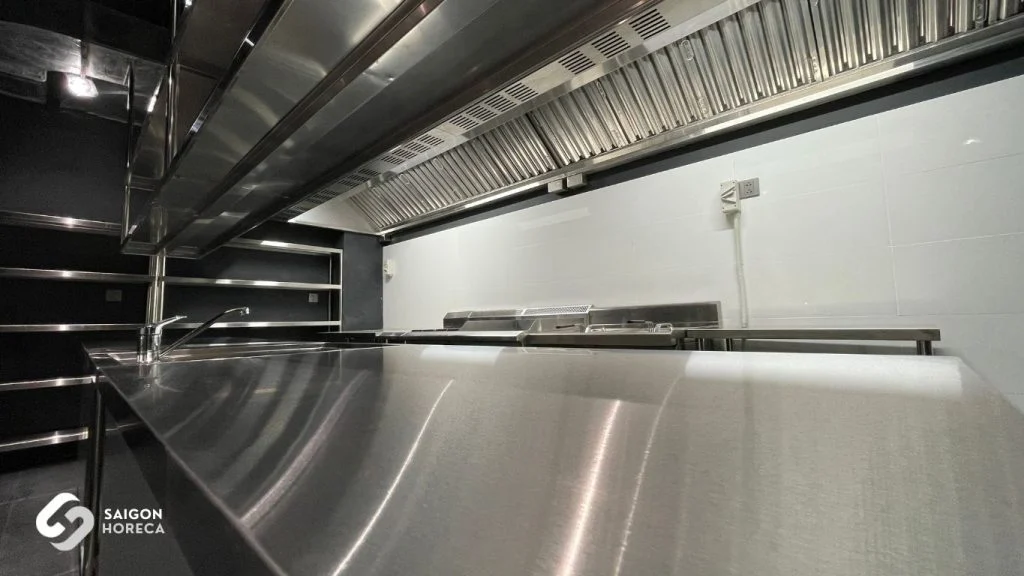
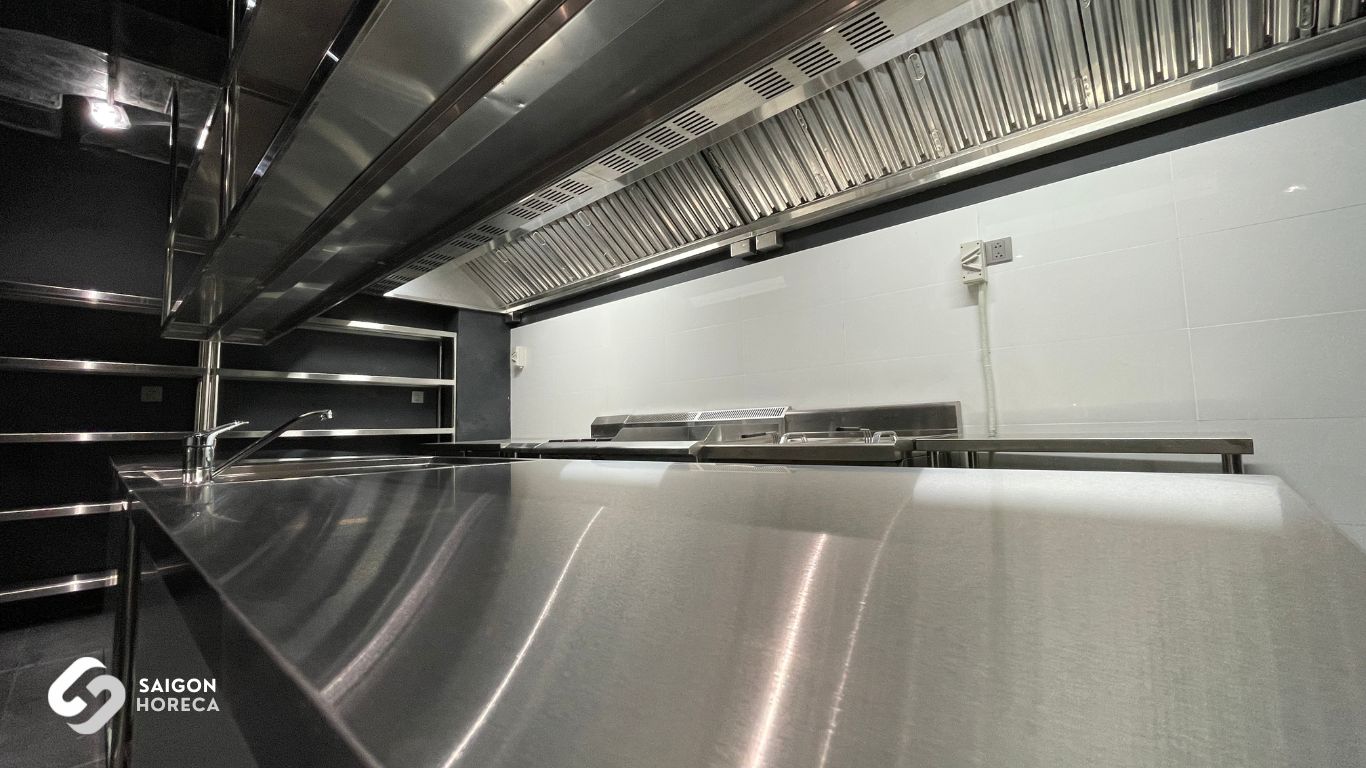
No matter how good a chef and attractive menu a restaurant has, it will be difficult to operate smoothly if the kitchen is poorly designed. Smart design is not just about placing a few stoves, refrigerators or stainless steel tables, but building a synchronous operating system, where every employee’s movement saves every second and every step.
There are three core elements in modern kitchen design:
- Workflow: The kitchen needs to be arranged according to the sequence of receiving – preparing – preparing – serving dishes to avoid overlap, reduce collisions and safety risks. A reasonable commute can save up to 30% of working time per shift.
- Clear functional areas: Cold area, hot area, dish making area, washing area… must be clearly delineated, both convenient for operation and limiting cross-contamination – a vital factor to ensure food safety and hygiene.
- Optimize area – maximize efficiency: Kitchen design needs to balance between usable space and serving capacity. A kitchen that is too cramped will cause pressure and cause accidents; On the contrary, a kitchen that is too large wastes investment and operating costs.
Smart design does not stop at aesthetics or neatness, but is the foundation for all cost management decisions, productivity and service quality. Restaurants that ignore this step will often have to pay the price with hidden costs that are difficult to overcome later.
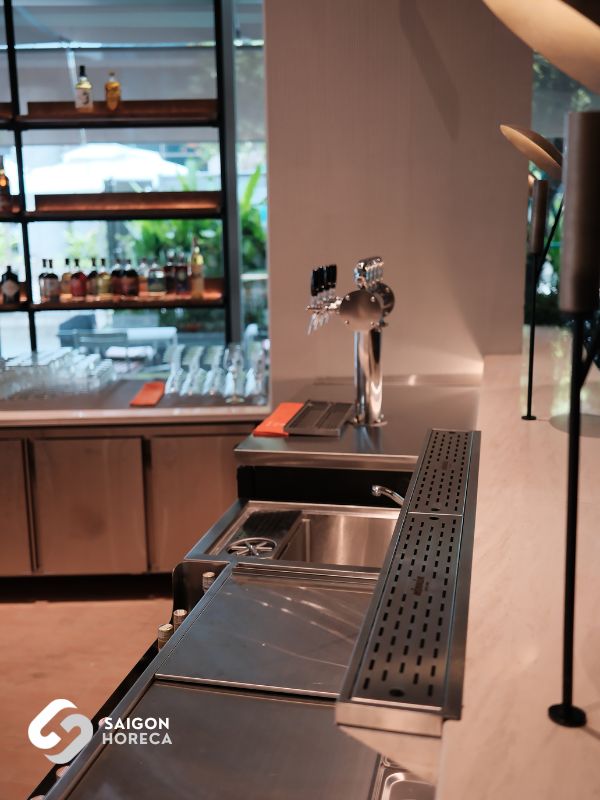
2. Invest in the right equipment – Reduce long-term costs
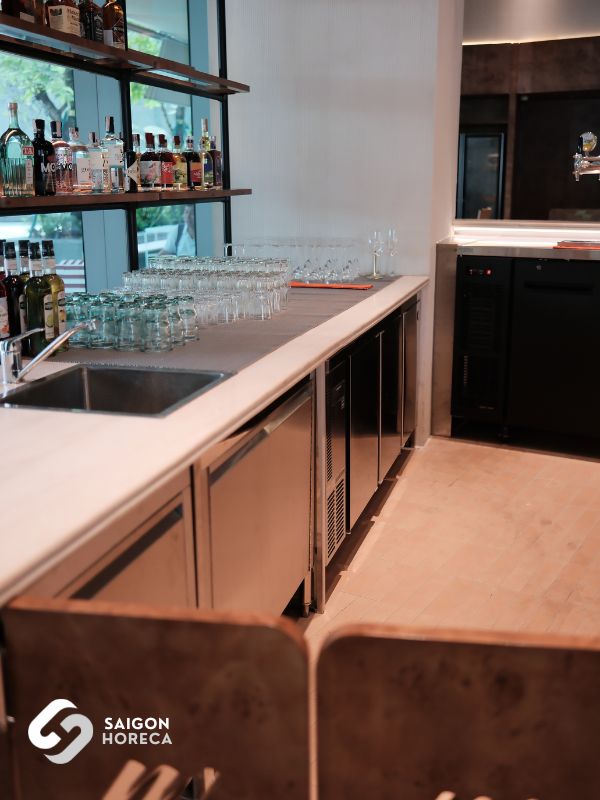
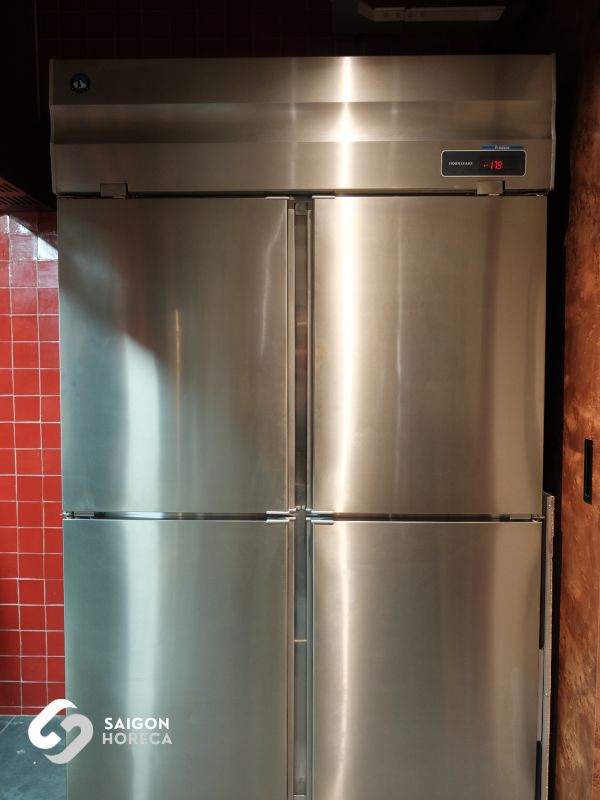
In restaurant kitchen management, many investors make a common mistake: choosing equipment based on immediate cheap price instead of long-term efficiency. A poor quality industrial stove can cause gas costs to skyrocket, or a small capacity dishwasher will slow down the entire service process during peak hours.
Investing in the right equipment is not just about an expensive purchase, but calculating the Total Cost of Ownership (TCO), including:
- Initial purchase cost
- Operating costs (electricity, gas, water)
- Maintenance and repair costs
- Device lifespan and upgradeability
For example, an energy-efficient ice maker may cost 15–20% more at the time of purchase, but after just one year it will pay back through reduced electricity bills and fewer breakdowns. On the contrary, choosing equipment that is cheap but consumes high energy will silently “eat away” restaurant profits every month.
In addition, attention should be paid to device synchronization. A modern grill with a poor smoke extraction system will make the space smelly, affecting the customer experience and putting pressure on employees. Synchronization helps operate smoothly, limit interruptions and increase the lifespan of the entire system.
In short, proper investment is wise investment: don’t chase cheap, don’t necessarily buy the most expensive one, but choose the one that best suits your operating needs, while optimizing long-term costs.

3. Scientific operation organization – People are the center
No matter how optimal the kitchen design is or how modern the equipment is, the deciding factor for success is still people and how the organization operates. An effective restaurant kitchen not only operates like a precision machine, but is also an environment where employees are coordinated and develop their abilities.
Three golden principles in operating organizations:
- Clear assignments, transparent responsibilities: Each position – from head chef, assistant chef, to dishwasher – has a specific role. When responsibilities are unclear, work can easily overlap, wasting time and creating conflict.
- Standardized process: Standardization from raw material input, storage, processing, to end-of-shift cleaning helps reduce errors and keep food quality stable. Many professional kitchens also apply SOP (Standard Operating Procedure) to ensure that all employees, whether new or old, work according to the same standards.
- Training & discipline: Kitchen staff need to be trained not only in cooking skills, but also in labor safety, equipment use and coordination skills. Discipline during rush hours helps the entire kitchen team operate like a “symphony orchestra” – each person has the right role, the right rhythm.
A scientifically organized kitchen will not only create delicious food but also retain staff. When employees feel that the working environment is professional and safe, they tend to stay for a long time – significantly reducing recruitment and retraining costs for the restaurant.
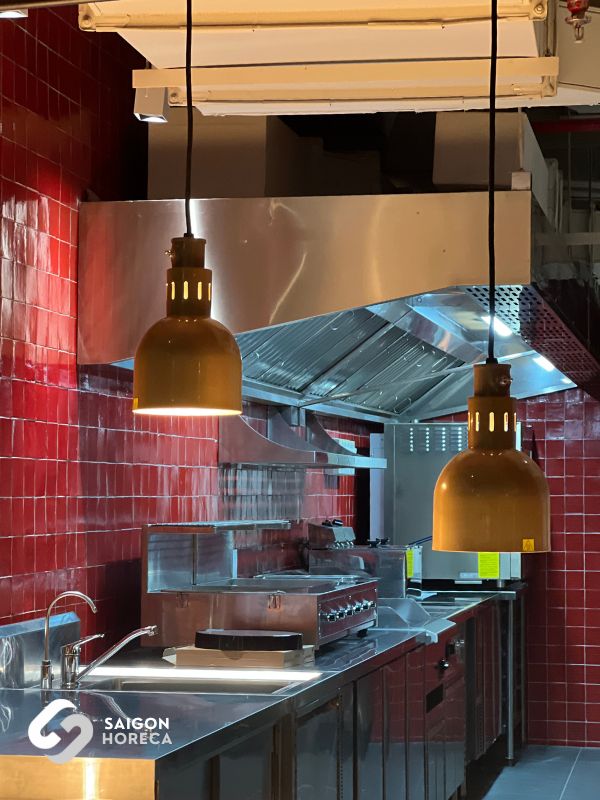
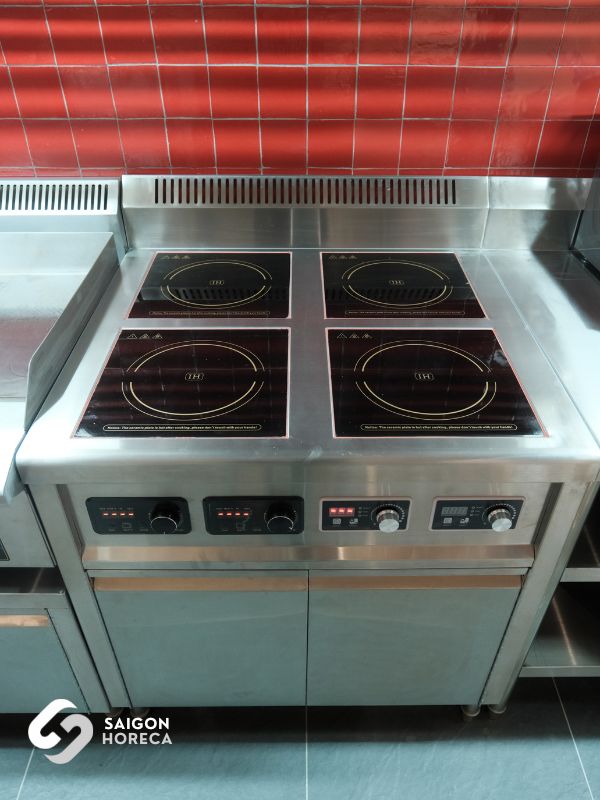
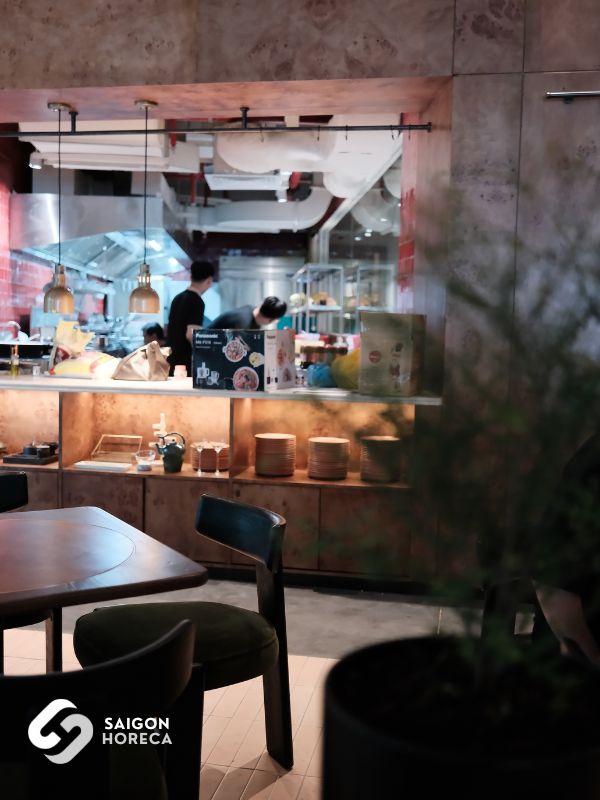
4. Controlling costs and quality – Balancing survival
In the F&B industry, profit margins are often not high. If we only focus on reducing costs, quality will decline; On the contrary, if you only care about quality and ignore costs, it will be difficult for a restaurant to survive long term. The art of effective kitchen management is finding a balance between these two factors.
There are three important pillars in cost and quality control:
- Material management: Raw materials account for 30–40% of kitchen operating costs. Applying the FIFO (First In – First Out) method helps reduce loss and damage. At the same time, standardizing food quantities (portion control) both controls costs and ensures uniform flavor.
- Energy & consumption control: Electricity, gas, water are hidden costs that are often overlooked. A good chef will know how to properly schedule equipment usage, turn off when not needed, and perform regular maintenance to reduce waste.
- Ensuring food safety and hygiene (ATVSTP): Food hygiene and safety is not only a legal requirement but also a factor that directly affects reputation and revenue. A case of food poisoning can cause a restaurant to lose customers for a long time. Therefore, quality control must be accompanied by strict food hygiene and safety monitoring in all stages.
Importantly, control does not mean being so tight that employees feel constrained. A good manager is one who maintains discipline and creates flexibility so that employees have space to be creative and contribute ideas to improve processes.

Saigon Horeca – Partner to help kitchens operate efficiently
Effective restaurant kitchen management is not just a story of delicious food. It is a combination of intelligent design, investment in the right equipment, scientific operation organization and strict cost and quality control. When each link is firmly built, the kitchen will become the “heart” of the restaurant, where every movement is optimized for productivity, costs and customer experience.
Instead of just looking for ways to cut spending, the secret lies in reasonable design, strategic investment and professional management from the beginning. This is the key for a restaurant to operate sustainably, maximize profits while still maintaining quality.
At Saigon Horeca, we not only provide industrial kitchen equipment, but also accompany customers in designing, optimizing operations and providing comprehensive solutions for each restaurant model. If you are looking for a partner to turn your “dream kitchen” into an “efficient kitchen”, please contact us now for advice.
 Facebook
 Zalo
Zalo