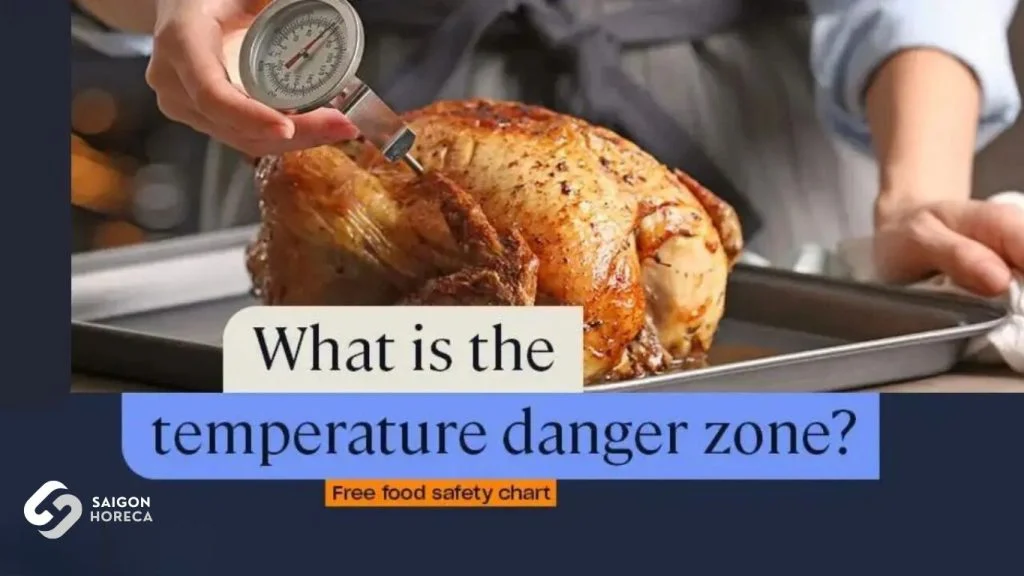
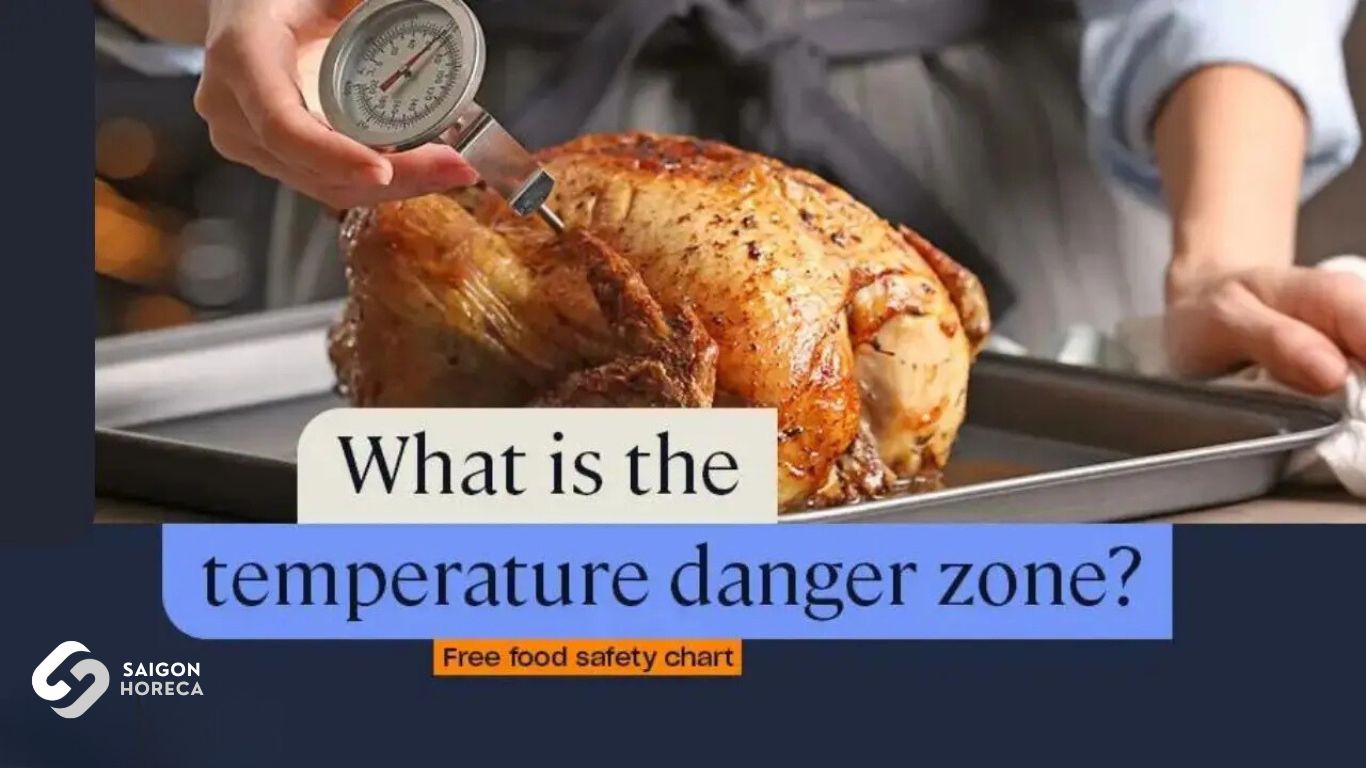
Explore Dangerous Temperatures and Safe Food Storage
Proper food preservation is an important part of ensuring food hygiene and safety, and is not just the task of restaurants, buffets or businesses in the culinary field. More importantly, it is directly related to people’s health and safety. Making sure your food is being stored properly requires knowledge of the temperature danger zones for food.
The temperature danger zone for food is where bacteria and microorganisms can grow rapidly, causing infection and disease risk. In this article, we will learn about these temperature zones, how long food can stay in the danger zone without affecting its quality and safety, along with how to preserve food effectively using refrigeration and ensuring hot food always meets safety standards. Join Saigon Horeca as we learn how to do this to ensure that every meal you enjoy is safe and delicious.
Preserve food properly – Learn about dangerous temperature zones for food
In the culinary world, proper food preservation is not only the task of businesses such as restaurants or buffets, but also a basic responsibility for everyone. Not only do we ensure that the food is delicious and appealing, but we also ensure that it does not harm our health. An important part of this is understanding the temperature danger zone for food.
Dangerous temperature zones for foods
The temperature danger zone for food is between 5 and 60 degrees Celsius, with rapid bacterial growth occurring mainly between 21 and 51 degrees Celsius. If your food stays in this temperature range for too long, bacteria can grow quickly and pose a potential risk to your health.
Once bacteria have reached unsafe levels, food can spoil and become toxic. This not only affects the taste but also affects people’s health. Therefore, if you are in the food service business, it is your responsibility to ensure that your food is stored properly at all times.
How long can food stay in the temperature danger zone? The general rule is that food should be brought into the appropriate temperature zone within 2 hours. For cold foods, the safe temperature is below 4.5 degrees Celsius, while for hot foods, the safe temperature is above 60 degrees Celsius.
In addition, if the temperature in the kitchen area is around 32 degrees Celsius, your food should not stay in the danger zone for longer than an hour. Higher temperatures can cause bacteria to grow faster. Therefore, you need to heat or cool packaged foods quickly to ensure food safety.
The effects of bacteria and microorganisms
When food is in the temperature danger zone, bacteria and microorganisms can grow very quickly, especially between 21 and 51 degrees Celsius. This growth not only changes the quality of food but also increases the risk of food infection. Bacteria such as Salmonella, E. coli and Listeria can cause serious infectious diseases when contaminated food is consumed.
Therefore, to ensure food safety and everyone’s health, controlling and approving the temperature of food is an important part of the food preservation and preparation process. This helps prevent the growth of harmful bacteria and microorganisms, while ensuring that food remains delicious and safe to consume.

How to ensure that food is not in the dangerous temperature zone?
Here aresome basic tips for you to apply:
- Regularly monitor refrigerator or freezer temperatures and make sure they remain at safe levels. You can use a refrigerator or freezer thermometer to check the temperature, as your device’s built-in thermometer may not always be accurate.
- Record the temperature and time of the test to monitor changes and ensure that the food is not affected by temperature variations.
- Clean and calibrate the thermometer regularly to ensure accuracy.
- Train and test staff knowledge on the proper handling and use of thermometers to ensure food safety during preparation and presentation.
By following the rules and using the right measuring tools, you can ensure that your food stays safe and delicious. This is not only a responsibility, but also necessary to ensure the health and happiness of everyone participating in your meal.


How long food may be in the danger zone
Basic principles
The basic rule when dealing with food in the temperature danger zone is the criterion “2 hours in the danger zone.” This means that food should not be in the temperature danger range (between 5 and 60 degrees Celsius) for more than 2 hours. After 2 hours, the risk of rapid growth of harmful bacteria and microorganisms on food begins to increase, increasing the risk of food infection when consumed.
Basic instructions
- Fresh Food: The time that fresh food can stay in the temperature danger zone depends on the type of food. For example, raw meat, fresh seafood, and dairy products often need to be cooled quickly to maintain safe temperatures. This helps prevent bacteria from growing and preserves the quality of food.
- Processed foods: Processed dishes such as grilled dishes, steamed dishes, and fried dishes need to be maintained at safe temperatures, if not consumed immediately after preparation. Processing time and storage time at safe temperatures must be strictly controlled to ensure food safety.
In addition, it should be noted that the temperature in the kitchen environment also affects the time food can stay in the danger zone. If the temperature in the kitchen is too high (about 32 degrees Celsius), food should not stay in the danger zone for longer than one hour, because high temperatures can create favorable conditions for the rapid growth of bacteria and microorganisms. Therefore, rapid heating or cooling is necessary to ensure safe food preservation in such situations.

How to cool hot food quickly?
When you prepare food before serving, cooling hot food quickly is an important factor to ensure safe food storage and prevent food from falling into dangerous temperature zones. Here are some important tips for cooling hot foods effectively:
- Use an industrial refrigerator or freezer: Use specialized equipment to cool food quickly. Industrial refrigerators or freezers have the ability to cool faster than regular household refrigerators, helping to maintain safe temperatures for food.
- Storing food in small containers: Use small containers to place food, helping the temperature distribute more evenly throughout the food. This helps cool faster and ensures food safety.
- Use a cooling fan: In cases where you need to quickly cool liquid foods such as soups, stews, or sauces, consider using a cooling fan to quickly reduce the temperature of the liquid.
- Use an ice bath: Create an ice bath by filling a basin, container or sink with ice. Place containers of hot food in an ice bath to cool food to a safe temperature (4.5 degrees Celsius or lower) quickly.
Cooling hot food effectively not only ensures food safety but also keeps food delicious and quality. This is especially important in the food service industry, where rapid cooling and preservation of food is an important part of ensuring customer satisfaction and their health.

Preserve food properly – Hot and cold food
Proper food storage is an important part of food hygiene and safety, especially when you need to maintain food at a safe temperature until serving customers or in the case of transporting it to other locations for service. Below, we’ll learn how to maintain hot and cold food safety:
Use insulated food containers or bags when transporting food: This ensures that your hot or cold food remains safe for consumption and is not affected by the ambient temperature.
Keep food safe with a cold salad bar or refrigerator:
Cold tables for salad preparation and refrigerators must maintain temperatures below 4.5 degrees Celsius to prevent the growth of dangerous bacteria. This is especially important for perishable foods such as cheese, yogurt, meat, salad dressings, and egg products.
How often should I check the temperature of food kept hot or cold?
To ensure food safety, you should check the temperature of hot or cold foods every four hours. However, checking more frequently, every 2 hours, will give you enough time to take corrective action in case food falls into the danger zone. This helps stop the spread of dangerous bacteria and eliminates food waste by reheating or recooling affected food before bacteria has time to spread.
How do you keep food hot?
Here are some tips for keeping hot food properly:
- Food warmers are usually not designed to reheat food. Instead, it keeps hot food at 60 degrees Celsius or higher.
- When possible, help maintain food temperature and avoid contaminants.
- Stir frequently to distribute heat evenly throughout the food.
- Use a suitable thermometer to regularly monitor food temperature.
- Throw away food that has been below 60 degrees for more than 2 hours.
- Never mix freshly prepared food with food that has been held for serving to prevent cross-contamination.
How do you keep food cold?
Here are some tips for keeping foods cold properly so they don’t fall into the danger zone:
- Make sure your cooler is designed to keep food at 4.5 degrees Celsius or below.
- Except for fruits, vegetables and shellfish, never place food directly on ice. Because this causes bacteria to grow and create cross-contamination.
- Cold food can be kept without refrigeration for up to 6 hours from the time it is removed from the refrigerator at a temperature of 4.5 degrees Celsius or below.
- Check the temperature of cold foods every 2 hours and discard any cold foods that reach a temperature of 21 degrees Celsius or higher.
Proper food preservation is an important part of ensuring food safety and quality. Implementing these measures not only protects the health of consumers but also helps maintain your reputation in the food service industry.
>> To apply more basic but important principles to maintain quality and health for customers. Read now to update and implement safety measures in your kitchen system: 10 principles of food hygiene and safety for commercial kitchen systems.
 Facebook
 Zalo
Zalo