European Restaurant Menu: Sophistication and 5 Important Principles
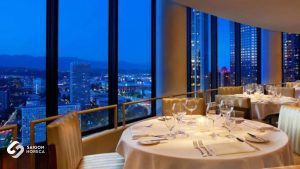
Europe, a continent that brings us not only historical and cultural beauty, but also a place where culinary art flourishes. In particular, the menus of European restaurants are not simply a list of dishes, they are considered works of art imbued with culture and class.
Through this article, we at Saigon Horeca will lead you into the sophisticated world of European restaurant menus, where we will discover important principles to keep in mind when building a classy and attractive menu. Let’s embark on a culinary journey together, where every step is a unique flavor experience.
5 Sophisticated Principles for Building European Restaurant Menus
In the restaurant business, creating a unique menu is considered a key factor that can attract and retain customers. Below are some important principles when planning menus for European restaurants that managers should not ignore:
Choose Quality European Materials and Kitchen Equipment
One of the key factors that determine the quality of each dish is the source of ingredients. Finding partners that provide quality food, with reasonable prices and supportive policies, will help restaurants build a solid foundation for success.
You can find units that specialize in providing high-quality raw materials, ensuring a stable supply and integrating preferential policies. Before running a restaurant business, spend a lot of time researching and building a system of reputable food suppliers. Make a list of backup raw material suppliers so you can flexibly respond when other suppliers have problems.
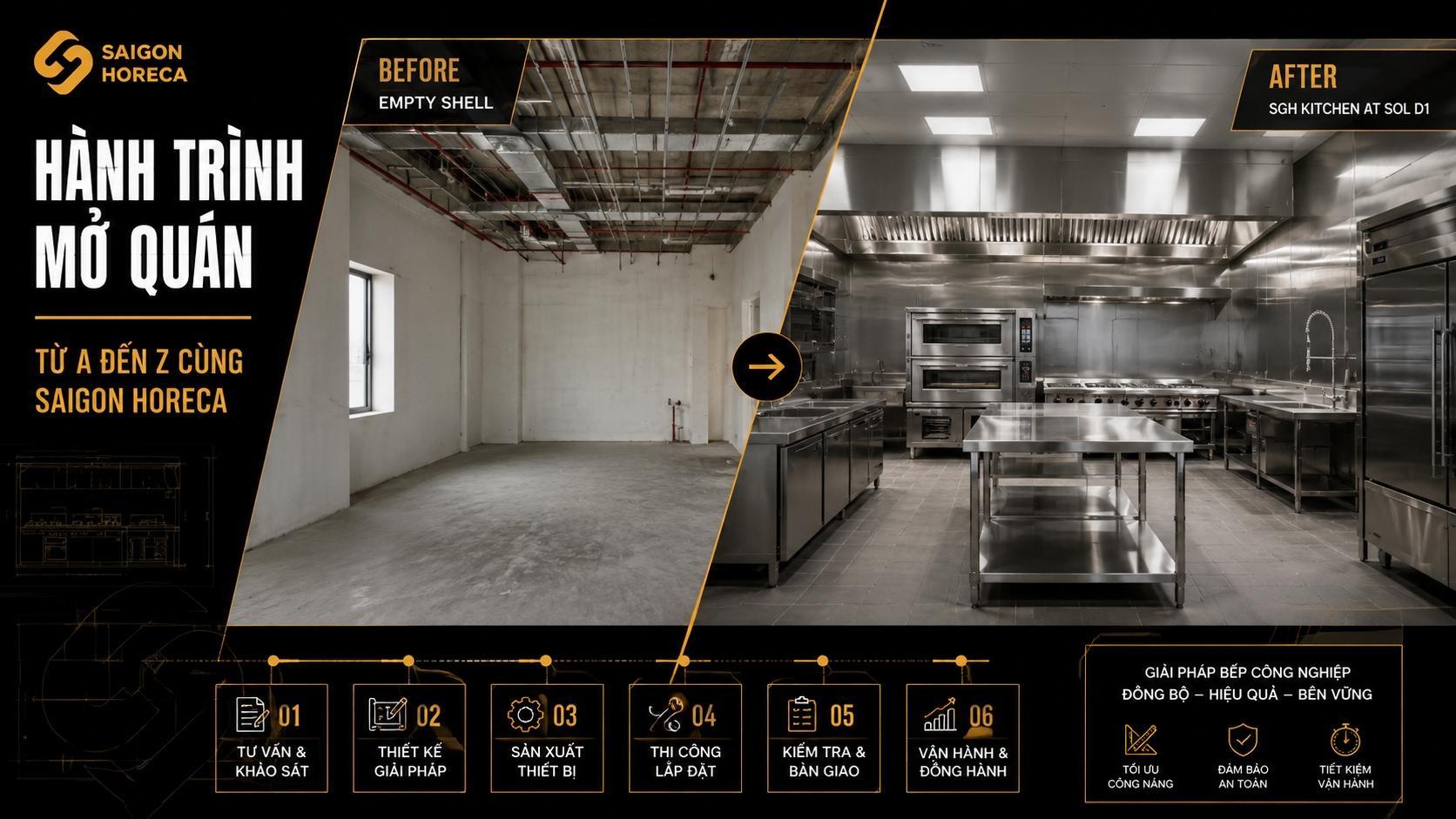
In addition, choosing European kitchen equipment to contribute to creating diverse dishes and menus for European restaurants is also very important. If readers want advice on designing or constructing reputable and quality commercial kitchen equipment, please immediately contact Saigon Horeca to be provided with the best services.
Things to Avoid in European Restaurant Menus
When building a menu, it is also important to avoid some negative issues. First, avoid setting the price for dishes within a specific range, as this can create a scenario where customers prefer to choose the lowest priced dishes to test before making a decision.
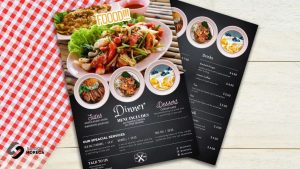
Furthermore, avoid choosing poor quality printing paper for European restaurant menus. Using poor quality printing paper can lead to the colors on the menu fading after just a short time. This not only creates a negative impression but also affects professionalism and customer reviews.
Create a Menu for Special Moments
In addition to the main menu serving daily needs, the design of additional special menus for holidays is undeniable. Important events such as International Women’s Day, October 20, Valentine’s Day, or Christmas are all golden opportunities that restaurants should take advantage of. This can be done through creating attractive offers, along with the addition of new, creative dishes.
Not only stopping at holidays, building a flexible seasonal menu is also a good strategy. Unique dishes only appear at specific times of the year, using rare ingredients only available during that season. This not only refreshes the restaurant’s image but also gives customers a more unique and attractive culinary experience.
Reasonable Costs for Optimal Efficiency
The principle of cost management between dishes in European restaurant menus is not only an ideal basis, but also a decisive factor for the overall effectiveness of business operations. Careful consideration of processing costs and ingredients helps ensure that each dish not only meets quality factors but also reflects cost balance.
Especially, in the early stages of a restaurant’s operation, when there is not enough data to determine which dishes are popular and which should be optimized, balancing costs is important. It helps avoid wasting ingredients and optimize resources, making each dish on the menu contribute positively to overall restaurant revenue.
European Menu – The Attraction of Main Ingredients
Applying the principle of cost balance between dishes on European restaurant menus is not only a cost-saving measure but also a resource optimization strategy. This not only helps reduce the burden of raw material processing costs but also optimizes the number of suppliers. Thanks to that, the restaurant not only reduces market risks but also creates stability in the business process.
The important thing is, restaurants not only save costs, but also reduce waste of ingredients through their optimal use. In this way, it not only brings financial efficiency but also reflects the restaurant’s commitment to environmental protection and business sustainability.
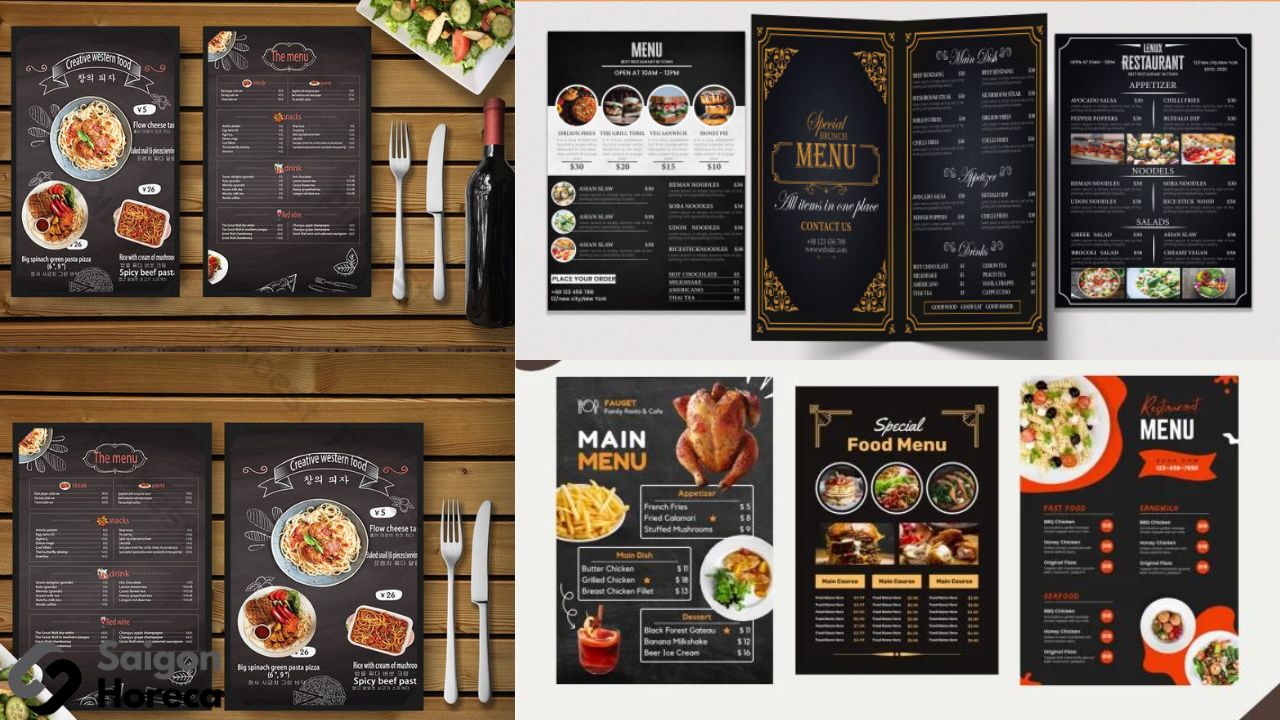
Outline the Important Factors to Prepare for a European Restaurant Menu
After understanding the important principles for building a European restaurant menu, the next step is the preparation process, a factor that determines the success of a restaurant.
Important Factors to Consider
In the process of planning the menu, you need to pay attention to the following important factors:
- Total Cost and Quality: Establish daily portion costs to avoid waste and maintain quality.
- Quantity of Dishes: Ensure enough ingredients for daily dishes and avoid shortages.
- Budget Statistics and Allocation: Smartly manage costs, performance, and budget allocation.
- Human Resources: Ensure adequate staffing, especially during peak times and large parties.
- Service Utensils: Prepare utensils to meet the needs of diners and the restaurant environment.
Menu Design
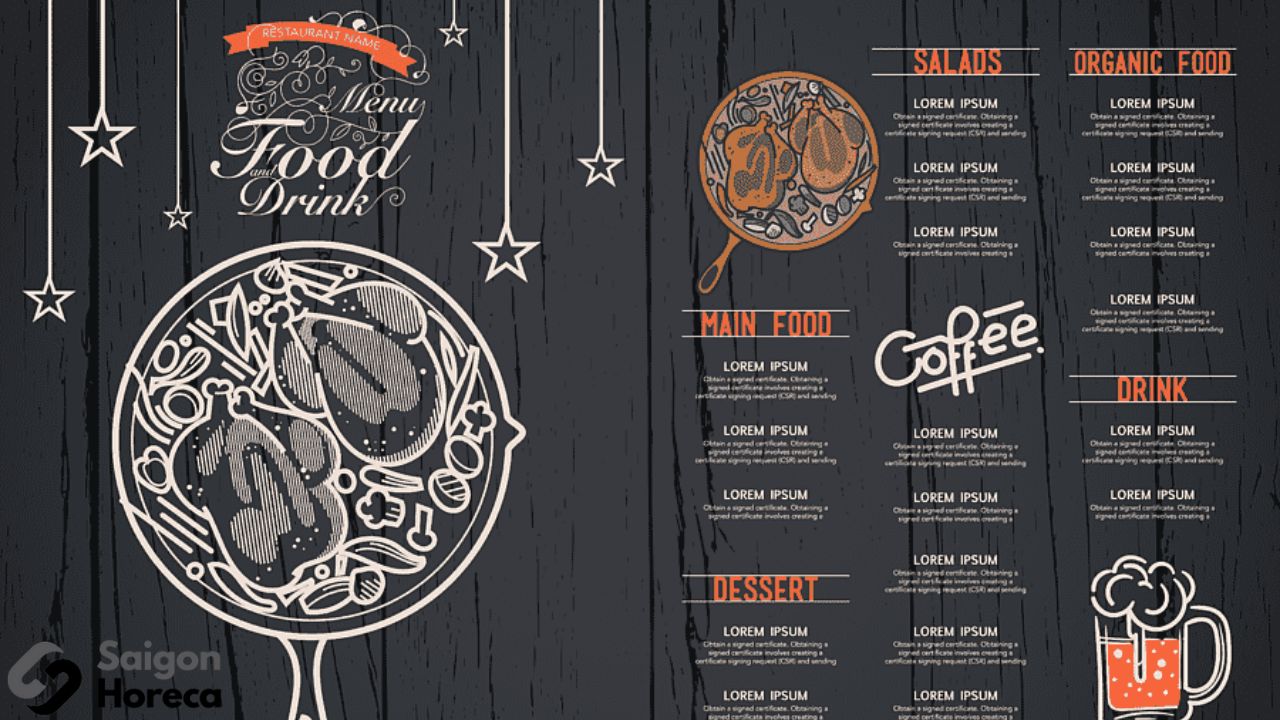
The menu is the scoreboard that attracts customers, and designing it requires meticulousness and care. This includes:
- Dish Information: The name, information, and price of each dish should be displayed clearly and attractively.
- Description of Food: Use images, text, or a combination to describe the dish, creating a unique impression.
- Color and Style: Menu design must reflect the unique style and elegance of the restaurant.
Each European restaurant has differences in color and style, and the menu design should be commensurate with this. Usually, cool and delicate colors are popular to create elegance and luxury for the menu.
With this menu design and preparation process, restaurants can hope for an optimal culinary experience and attract customer interest.
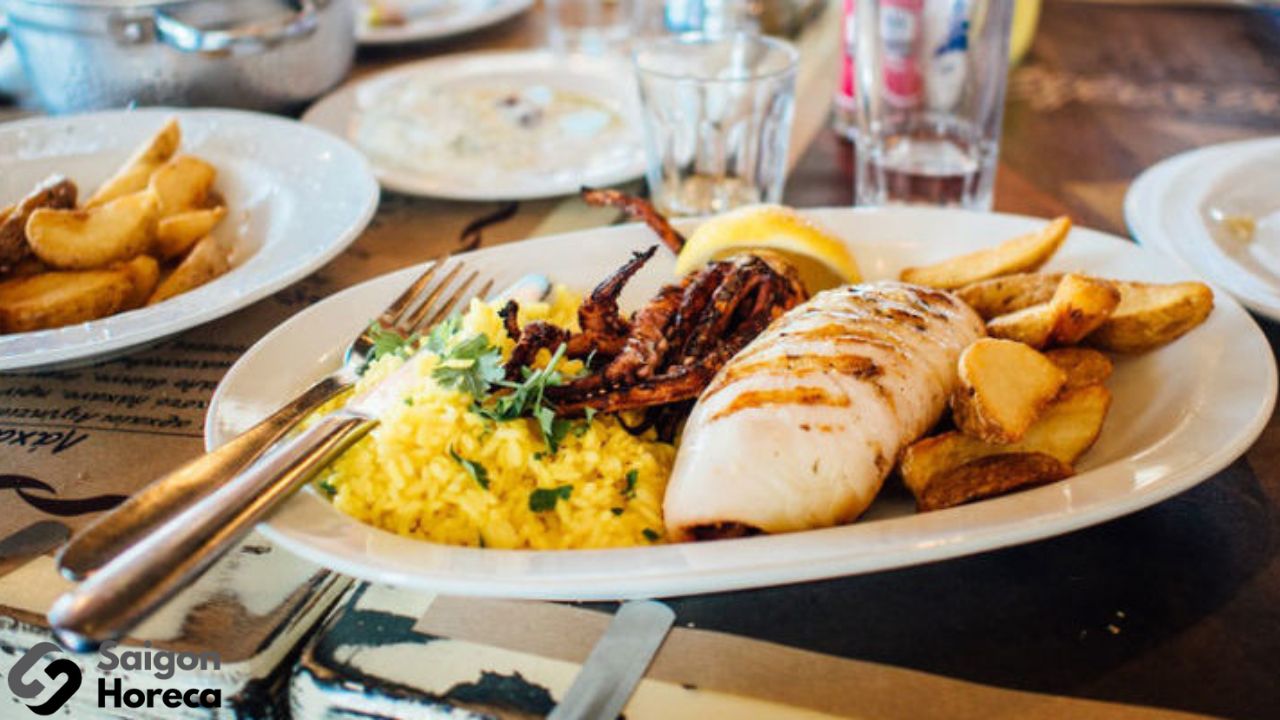
The Secret of European Restaurant Menus: Perfection From Appetizer to Dessert
European Appetizers That Make a First Impression
In a European restaurant menu, the appetizer is an important starting point and it needs to meet the strict standards of Western cuisine. In particular, foie gras pate, a symbol of French cuisine, often appears in the appetizer list.
The fatty flavor of foie gras is perfectly combined with the sweetness of jam and sauce, creating a unique culinary experience. This is not just an appetizer, but a masterpiece imbued with the essence of European cuisine.
In addition to foie gras pate, the restaurant can add other options such as salmon salad or oyster salad, typical of Western heaven and earth. Marinating seafood with natural spices such as basil and green onions helps maintain the fresh and pure flavor, satisfying the most demanding diners.
Main Course – The Star of the Menu
In the world of Western cuisine, typical main dishes are not simply meals, but also works of art that blend typical flavors. One of the popular and popular options is pan-fried pork combined with butter and apples.
This is not just an ordinary combination, but a perfect synergy between the sweetness of pork, the richness of butter and the gentle aroma of apples. Every piece of meat, every layer of butter, and every slice of apple contributes a unique flavor that is hard to match.
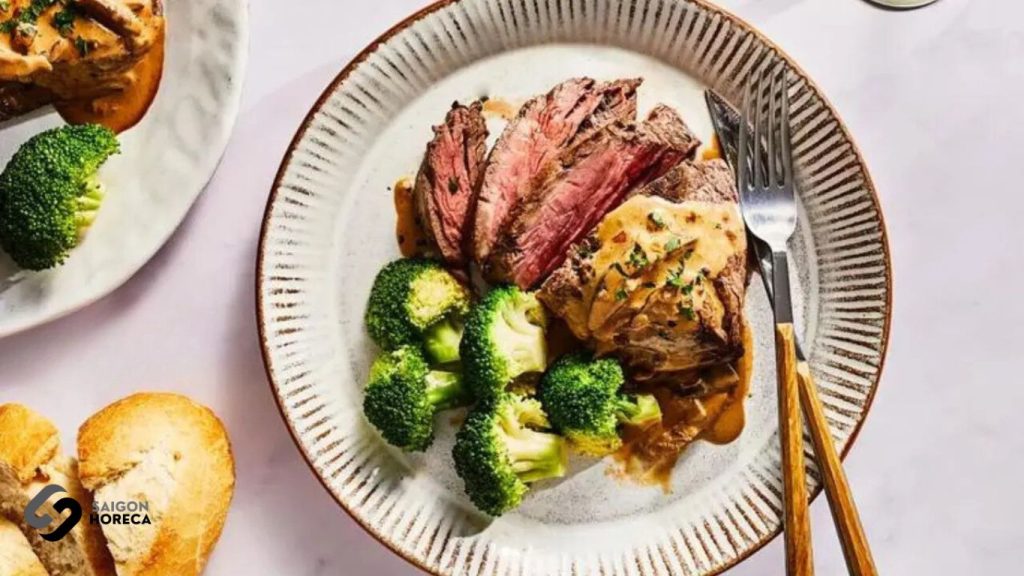
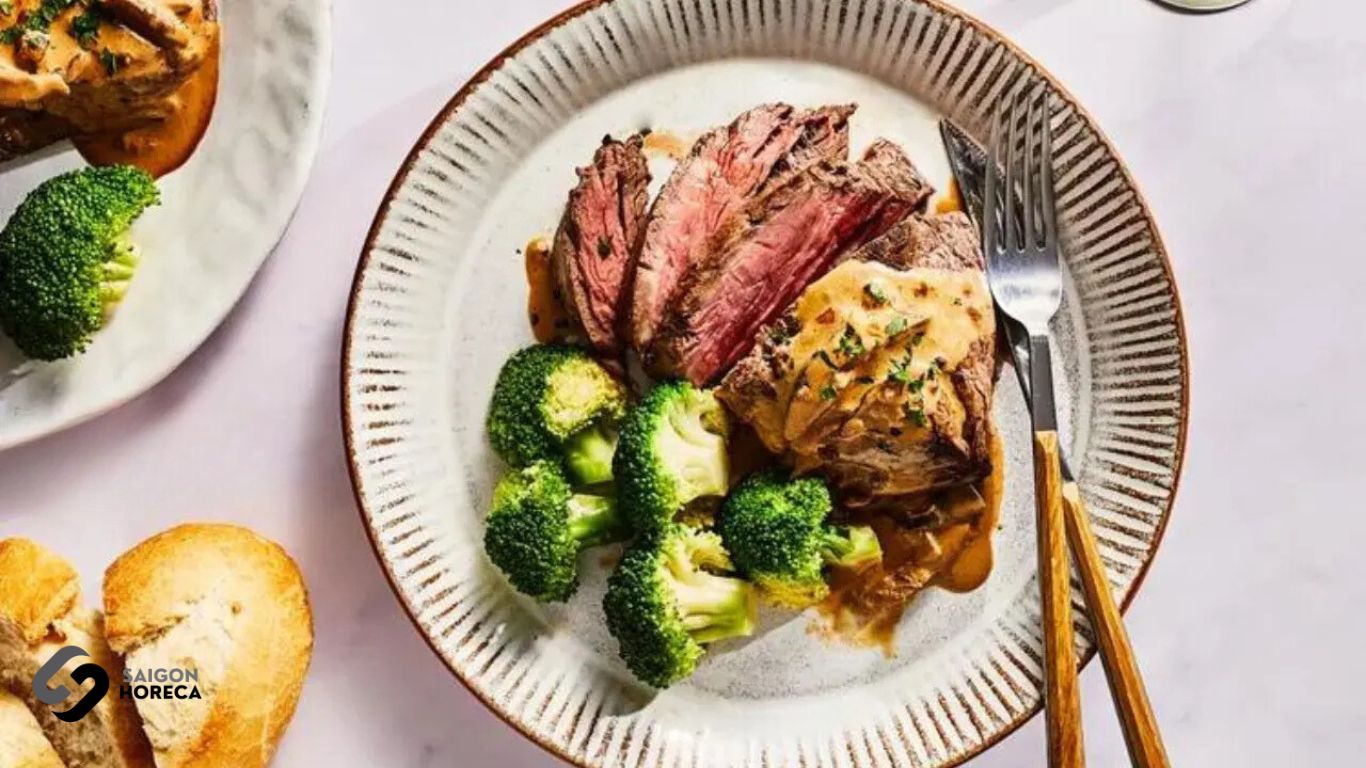
In addition, another main dish worth noting is grilled American beef. The tender meat is grilled just enough, keeping it delicious, sweet and moist. The seductive aroma blends with the typical delicious taste of the sauce, black pepper and garlic-marinated potato slices, creating a top culinary experience not to be missed.
Side Dishes That Enhance the Flavor
It cannot be denied that side dishes play an important role in European restaurant menus. To achieve the perfect balance between meat, fish and vegetables, the menu needs to be designed meticulously and creatively.
Bread, ham, ham, or soup are all popular choices. Although the quantity is not much, each dish is uniquely and delicately prepared, giving diners a unique culinary experience.
With a harmonious combination of delicious flavors and delicate layout, the menu of European side dishes not only meets nutritional needs but is also a highlight that makes the meal different and attractive.
Dessert – The Ultimate Culinary Art
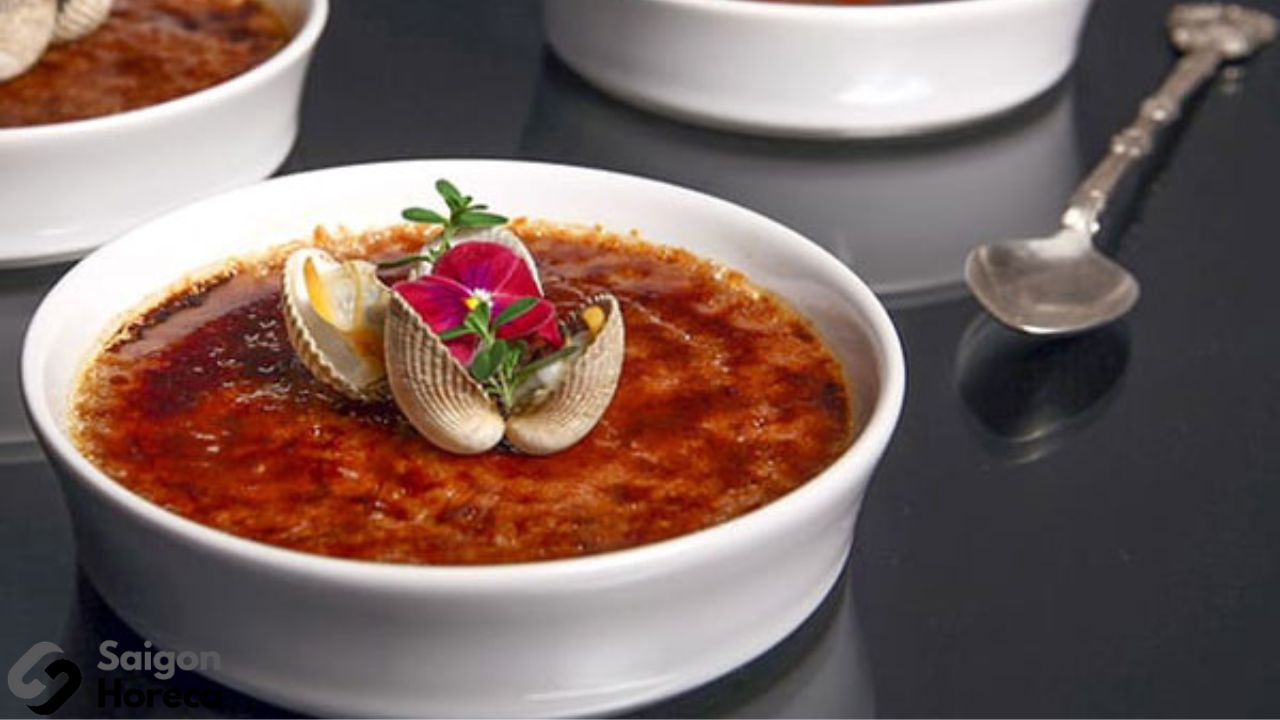
In the diverse and rich world of European cuisine, desserts play an indispensable role. This is the final highlight, creating perfection for every meal, with a sweet and appealing flavor.
In the European menu, you will discover culinary works of art such as Gelato ice cream (Italy) – a blend of the creaminess of ice cream and the natural flavor of fruit. Banoffee pie (UK) brings a unique blend of creaminess and sweetness of banana and molasses. Baklava (Turkish) cake layered with phyllo, kernels and honey creates an unforgettable taste experience. You can’t miss Tiramisu cake, a sweet creation from Italy.
European desserts are not only a wonderful ending point but also an endless journey of discovery about flavors and culinary art.
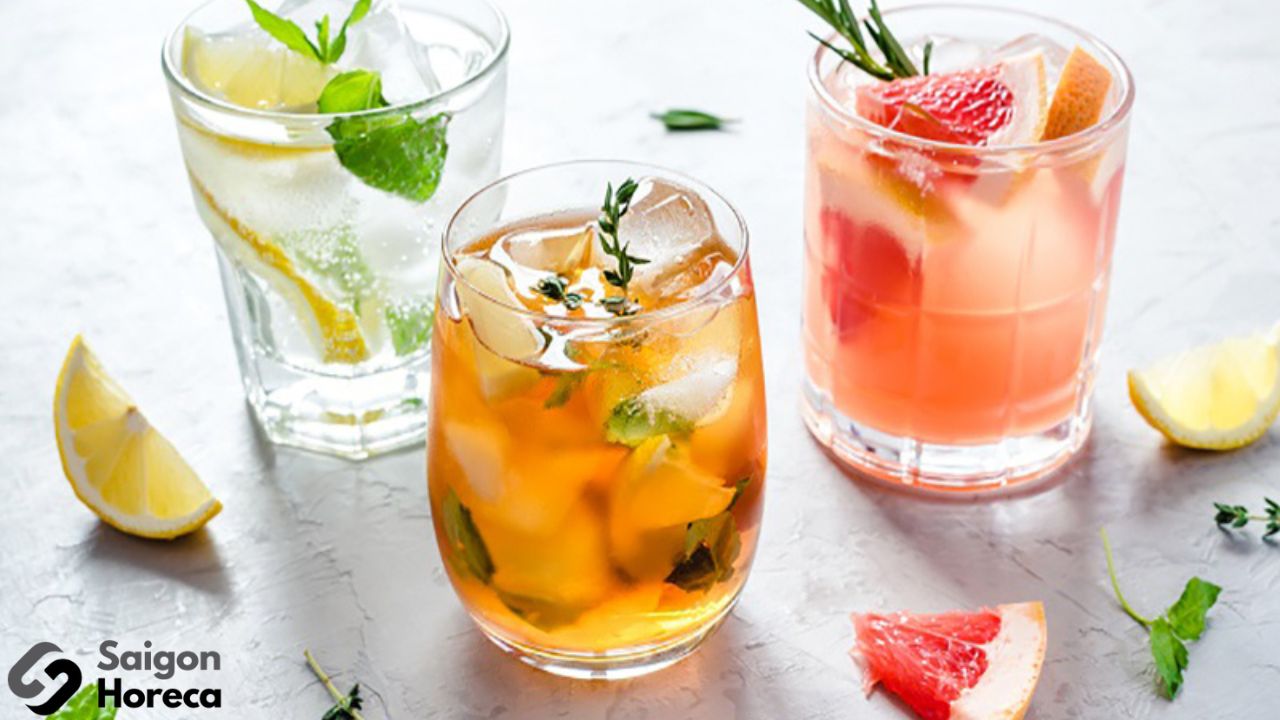
Various Drinks Accompanying
Different from Asian cuisine, the European menu is classic and elegant, where wine and champagne become the shining stars. Before each meal, a memory with a glass of selected wine or a delicate line of champagne is a great start, promising a classy culinary party.
European wine and champagne are not just drinks, but also the language of taste and lifestyle. With a slight alcohol, unique aroma and delicate sour-astringent taste, they enhance every meal, opening new stories and memorable memories.
The above information is Saigon Horeca’s discovery of how to build a complete European menu. With enough knowledge and restaurant equipment from saigonhoreca.vn, your restaurant will certainly be the ideal place to enjoy classy European cuisine. Don’t forget to follow to update other useful information if you are preparing to open a restaurant. Saigon Horeca – a reliable partner, bringing you quality kitchen equipment from Europe to Asia.
>> See more:
 Facebook
 Zalo
Zalo