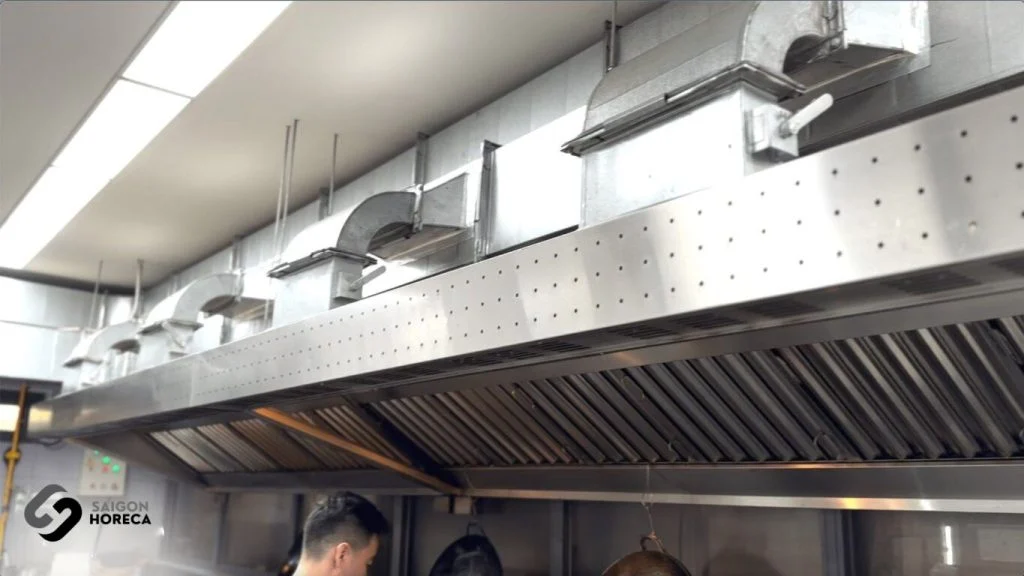
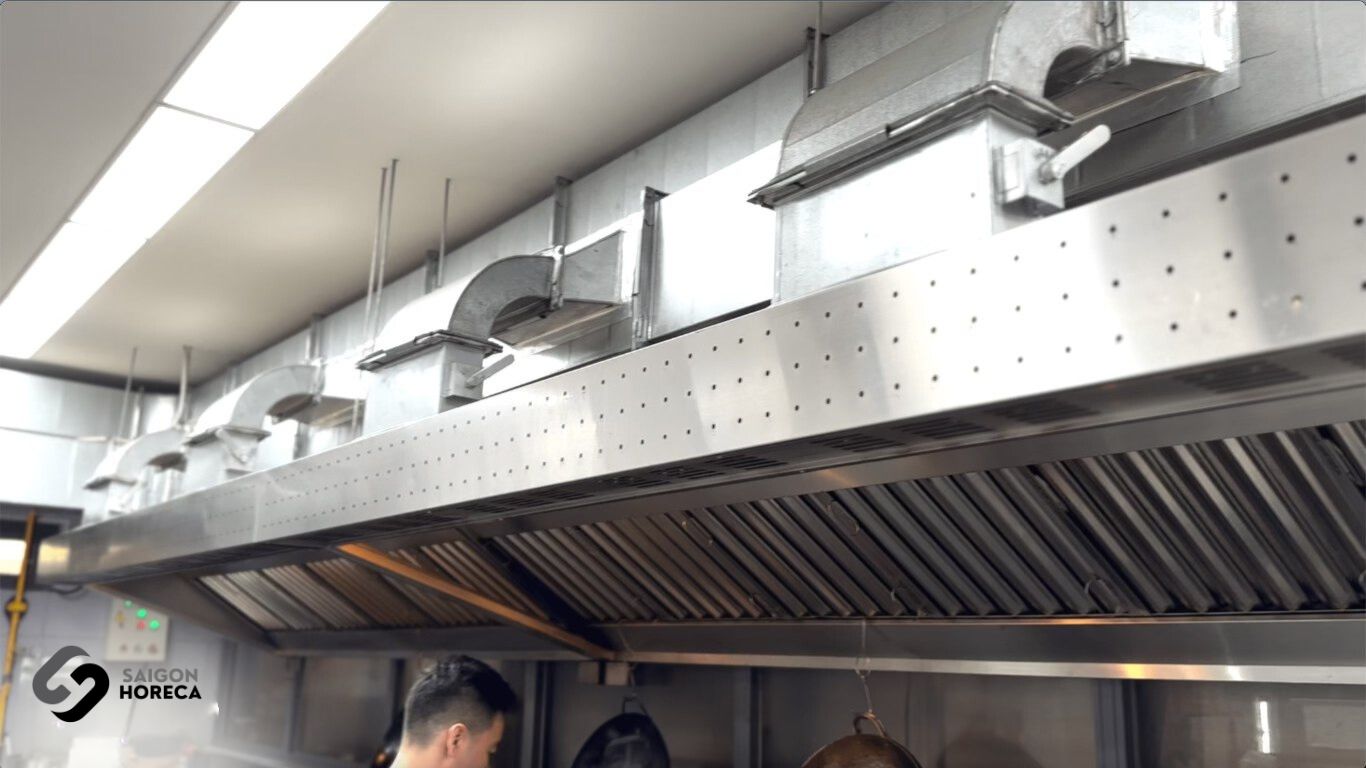
7 Design standards Designing an indispensable smoke extraction system for commercial kitchens
When designing a smoke extraction system for an commercial kitchen, compliance with important standards not only ensures employee safety but also helps optimize the kitchen’s performance. In this article, we will introduce 7 smoke extraction system design standardsthat you cannot ignore. From choosing the right materials to ensuring good airflow, these standards will help you build a system that is sustainable, efficient, and food safety compliant.
Why is it necessary to design an commercial kitchen exhaust system
Designing a smoke extraction system for commercial kitchens is not only a basic requirement but also a key factor that determines the safety, efficiency and sustainable development of the business. Below are the reasons why the design of this system needs to be invested carefully:
Protecting health and labor safety:
In an commercial kitchen environment, smoke, grease vapor, and toxic gases from the cooking process can accumulate and seriously harm the health of employees. A properly designed smoke extraction system helps eliminate these harmful agents, creating a safer working environment, minimizing the risk of respiratory diseases and long-term health problems.
Ensure compliance with legal regulations:
The food industry is under strict supervision from regulatory agencies regarding food safety, hygiene and fire prevention. Designing a standard smoke extraction system not only helps businesses comply with legal regulations but also avoid serious legal consequences, from fines to business closure.
Create an optimal working environment:
High temperature and humidity, along with polluted air in the kitchen area, can cause fatigue and reduce employee productivity. An effective smoke extraction system not only improves air quality but also helps regulate temperature, creating better working conditions, thereby improving the operating efficiency of the entire kitchen.
Protect and extend equipment life:
Smoke and grease vapors not only pollute the air but also stick to the surfaces of equipment, walls and ceilings, causing corrosion and damage over time. A well-designed fume extraction system will prevent this buildup, protect facilities and reduce maintenance and repair costs, while also extending the life of the equipment.
Improve customer experience and brand image:
The smell of smoke and grease from the kitchen can spread into the customer area, reducing the quality of the space and negatively affecting the culinary experience. A professionally designed and installed smoke extraction system will keep your space clean and airy, creating a good impression for customers and enhancing your brand image.
7 Smoke extraction system design standards that cannot be ignored for commercial kitchens
When designing a smoke extraction system for a restaurant or commercial kitchen, compliance with design standards is an important factor to ensure the safety, efficiency and longevity of the system. Below are the standards to keep in mind:
Design standards for the installation location of the smoke extraction system:
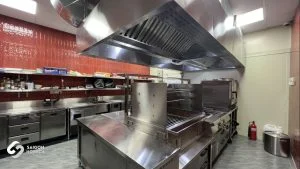
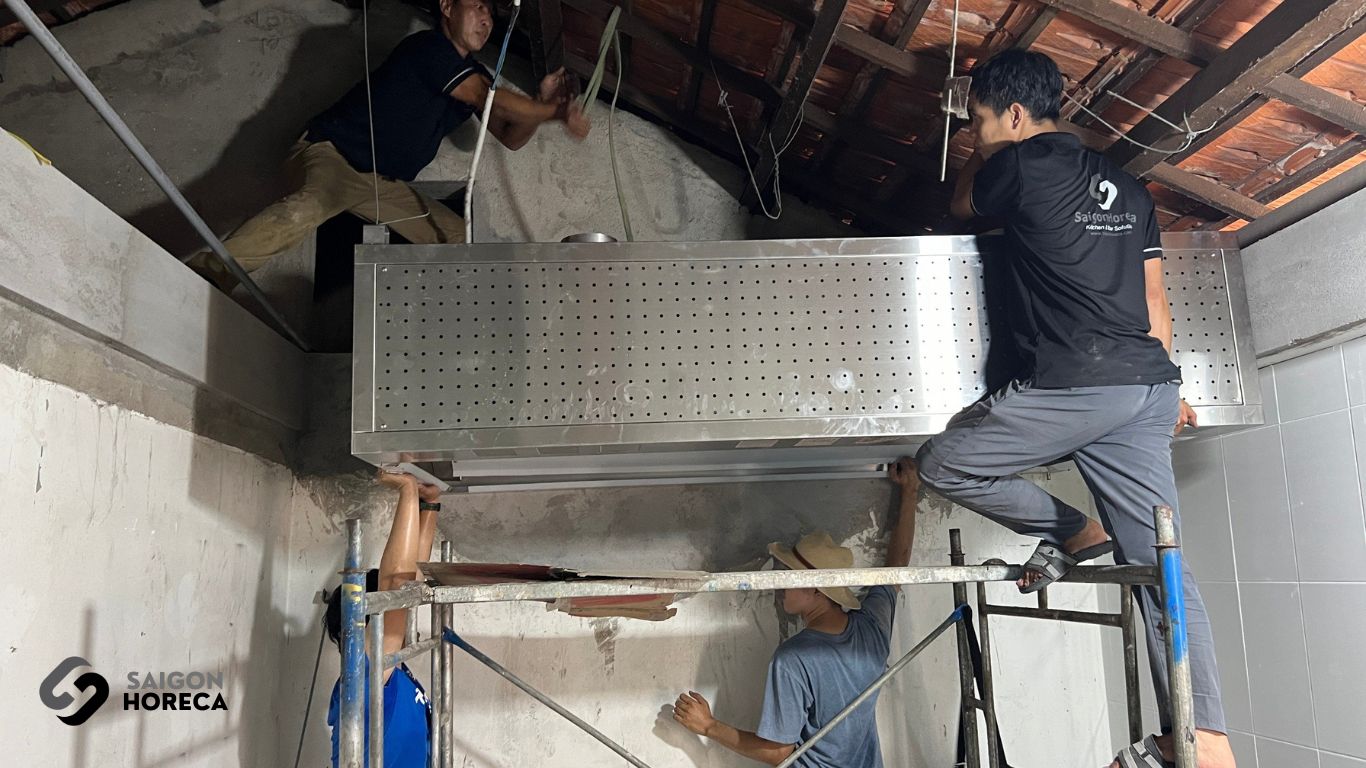
The installation location of the range hood and smoke extraction system plays an important role in ensuring operational efficiency, aesthetics and convenience during operation. Here are some factors to consider when installing:
- Suitable for the kitchen space: The location of the smoke extraction system needs to be carefully considered based on the overall space of the kitchen, including the arrangement of other tools and equipment such as kitchen cabinets, stoves and related electronic devices. A reasonable design will help optimize space and increase the aesthetics of the kitchen area.
- Length and direction of the exhaust pipe: The length of the exhaust pipe needs to be clearly determined to ensure the operating capacity of the system. The longer the exhaust pipe, the less power the exhaust fan will have, which can reduce the efficiency of the entire system. Therefore, it is necessary to limit pipe bends to ensure smooth and effective airflow:
- For pipe lengths of 4 – 5m:There should be a 90 degree bend angle to maintain system performance.
- For pipe lengths from 3 – 4m: There may be two bends to optimize installation and ensure that the system still functions well.
Choosing the correct location and technical installation instructions not only helps the system operate smoothly but also helps prolong the life of the equipment, minimize maintenance costs and improve the overall performance of the commercial kitchen.
Distance standards between range hood and stove
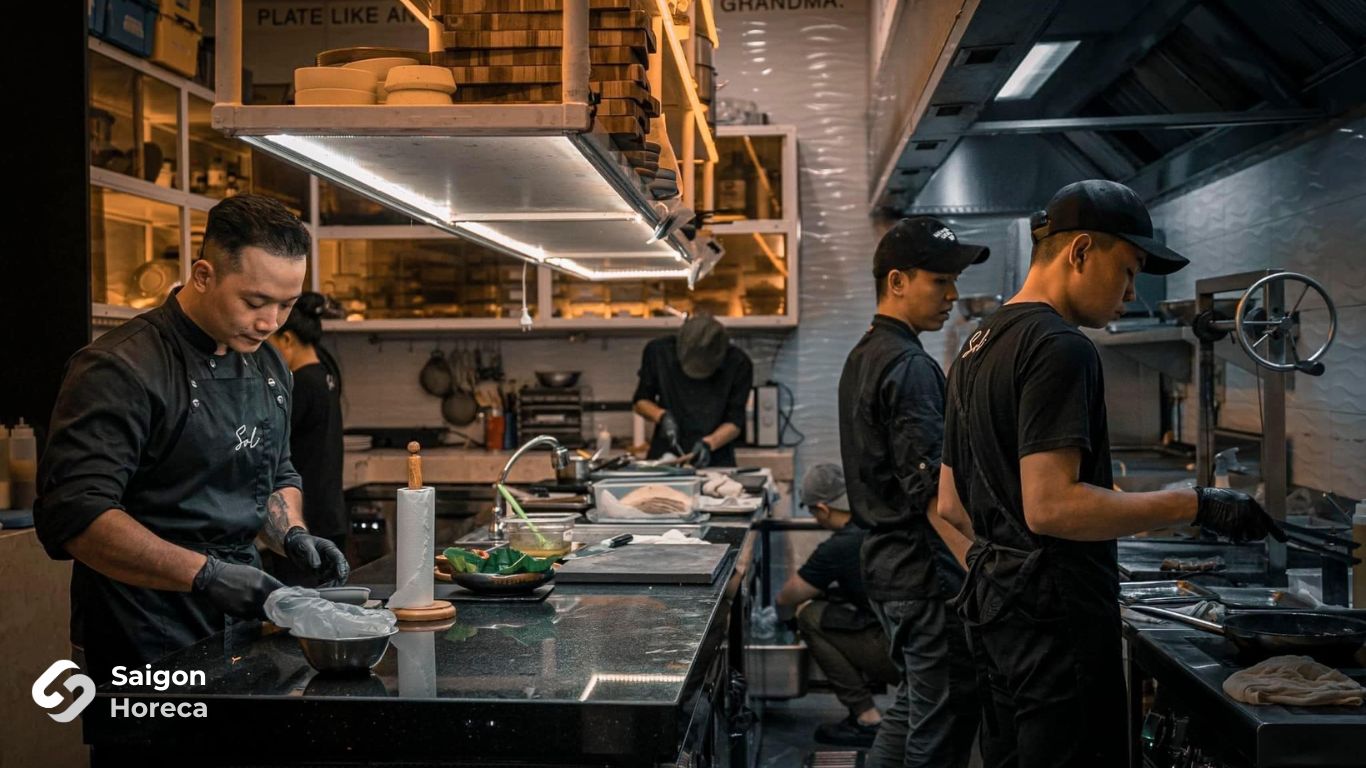
The distance between the hood and the stove is an important factor when designing a hood system in a restaurant or commercial kitchen. This gap not only affects aesthetics but also directly impacts productivity and odor treatment efficiency. Installing the hood too low or too high can lead to unwanted problems:
- Installation too low: If the hood is installed too close to the stove, it can cause a number of problems such as:
- Out of sight: Kitchen staff may have obstructed vision, causing inconvenience during cooking and food handling.
- Safety risk: Too close a distance can increase the risk of catching fire, leading to an explosion or damage to the range hood due to direct contact with high temperatures and flames.
- Installation too high: On the contrary, if the range hood is installed too high, it will not be able to effectively absorb hot air and food odors, resulting in a reduced ability to absorb odors and clean the air in the kitchen. This can affect the working environment and air quality in the kitchen area.
Standard distance:
To ensure the hood operates effectively and safely, the following installation distances must be observed:
- Electric stove (or induction stove): The standard distance between the range hood and the electric stove should be between 65 – 75cm. At this distance, the range hood can operate most effectively, ensuring the ability to absorb and treat odors.
- Gas stove: With a gas stove, because the flame is usually higher and radiates more heat, the distance between the hood and the stove should be between 75 – 80cm. This helps ensure that the range hood is not affected by the fire and has enough space to effectively extract smoke and hot air.
Adjustable depending on design:
Depending on the design and style of the range hood, this distance can be adjusted slightly to suit each type of machine and the specific needs of the kitchen space. However, complying with the standard distance will help optimize the performance of the range hood and ensure safety for both the system and the user.
Standards for exhaust fan capacity and wind speed
Choosing a hood system with appropriate capacity and wind speed is a key factor to ensure operational efficiency, minimize noise, and save energy in commercial kitchens. Correct calculation of suction capacity and wind speed will help the hood system operate stably, meeting the requirements of deodorizing and smoke extraction in the kitchen space.
1. Standards for suction capacity:
The suction capacity of the hood system needs to be selected based on the size and volume of the kitchen space. The formula to calculate the minimum suction capacity for a range hood is as follows:
Minimum suction capacity (m³/h) = Kitchen volume (m³) x 10
- Kitchen volume: Calculated by length x width x height of the kitchen space.
- Factor of 10: Used to ensure that all air in the kitchen is circulated and cleaned approximately 10 times per hour, effectively eliminating odors, smoke, and greasy vapors.
Choosing the appropriate minimum suction capacity helps the hood system operate effectively without consuming too much energy, while minimizing noise emitted during operation.
2. Wind speed standards:
Wind speed at the fan’s intake is also an important factor that determines the effectiveness of the exhaust system. This velocity needs to be strong enough to pull smoke and hot air out of the kitchen space without causing unnecessary disturbance in the cooking area.
- Wind speed at the fan intake: To ensure effective smoke extraction, the wind speed needs to reach 0.2 – 0.4 m/s. This is the optimal speed range to help the hood system effectively handle smoke and food odors without creating too much noise.
3. System optimization:
- Choose the right fan motor: Make sure that the fan motor is strong enough to maintain stable suction power and wind speed, even when the system operates continuously for a long time.
- Minimize noise: By choosing an exhaust fan with enough capacity for the space and adjusting the wind speed appropriately, the exhaust system can operate smoothly without affecting the working environment in the kitchen.
When meeting the correct standards for capacity and wind speed, the hood system will operate effectively, save energy, and ensure a clean, airy kitchen environment.
>>> Learn more about how to clean commercial kitchen exhaust pipes – Why and how often?
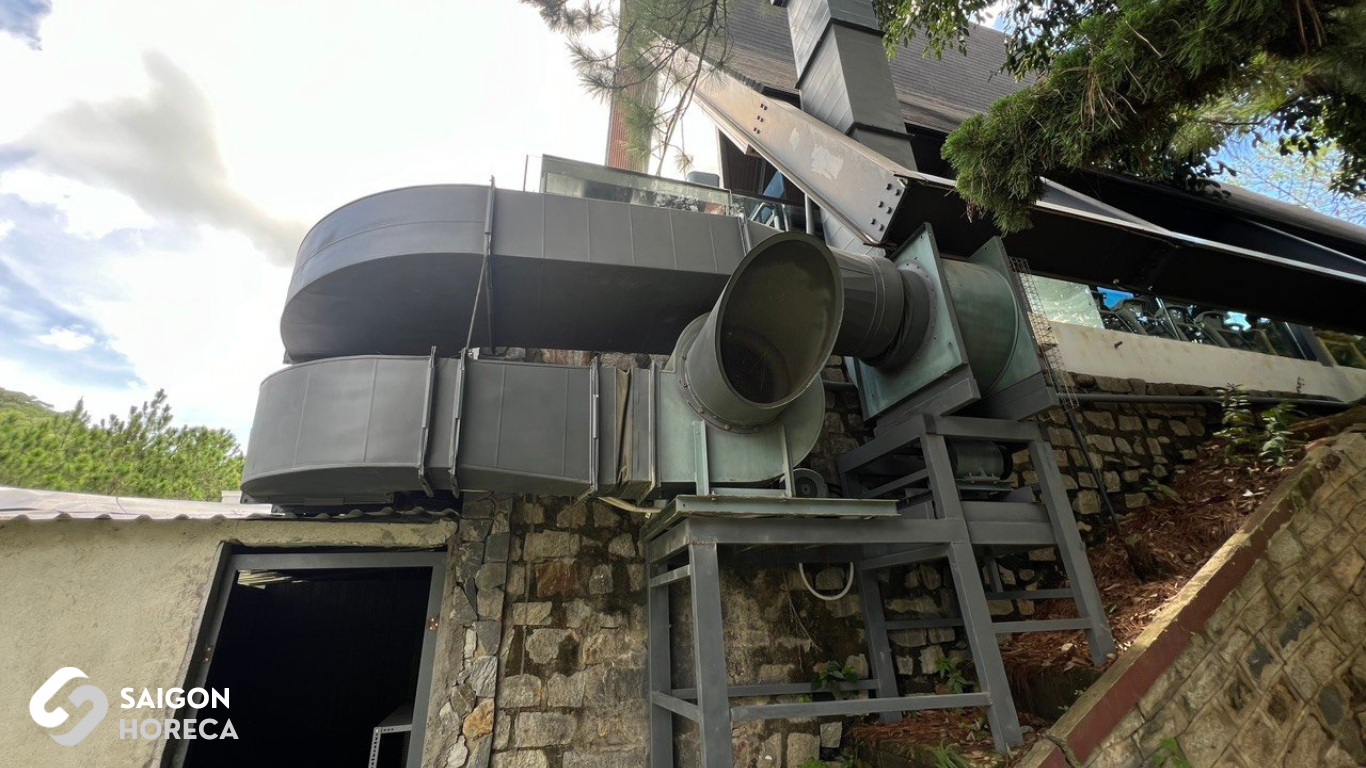
Noise standards in kitchen exhaust systems
Noise is an important factor to consider when designing and installing commercial kitchen exhaust systems. Excessive noise not only affects the working environment in the kitchen but can also cause nuisance to surrounding areas, especially in restaurants or commercial kitchens located near residential areas.
1. Standard noise level:
A standard kitchen exhaust system needs to ensure noise is at the lowest possible level, without affecting the health and comfort of people working in the kitchen as well as the surrounding environment. According to standards, the system’s noise level should not exceed 90dBA. This level ensures that the sound emitted from the system will not cause noise pollution, creating a safe and comfortable working environment.
2. Noise reduction measures:
To minimize noise from the smoke extraction system, the design and construction process needs to comply with the following standards:
- Assemble pipes firmly: Pipes need to be installed tightly, ensuring there is no vibration when the system operates. Vibration can lead to increased noise and reduced smoke extraction efficiency.
- Compatible duct size: Make sure the size of the duct is compatible with the size of the hood and the amount of smoke to be processed. Improper sizing can create noise because air moves through the ducts at an uneven speed.
- Use stiffeners and sound absorbers: In special cases, using stiffeners and sound absorbers can help reduce noise significantly. These types of ducts are designed to minimize vibrations and noise generated as air moves through the system.
- Choose the appropriate type of exhaust fan and motor: Choose an exhaust fan with a motor that matches the capacity and technical requirements of the system. The motor needs to be strong enough to handle smoke and odors, but also needs to ensure smooth operation, without creating loud noise.
By complying with these standards, the kitchen exhaust system not only ensures operational efficiency but also contributes to maintaining a quiet working environment, minimizing the negative impact of noise on employees and surrounding areas.
 >
>
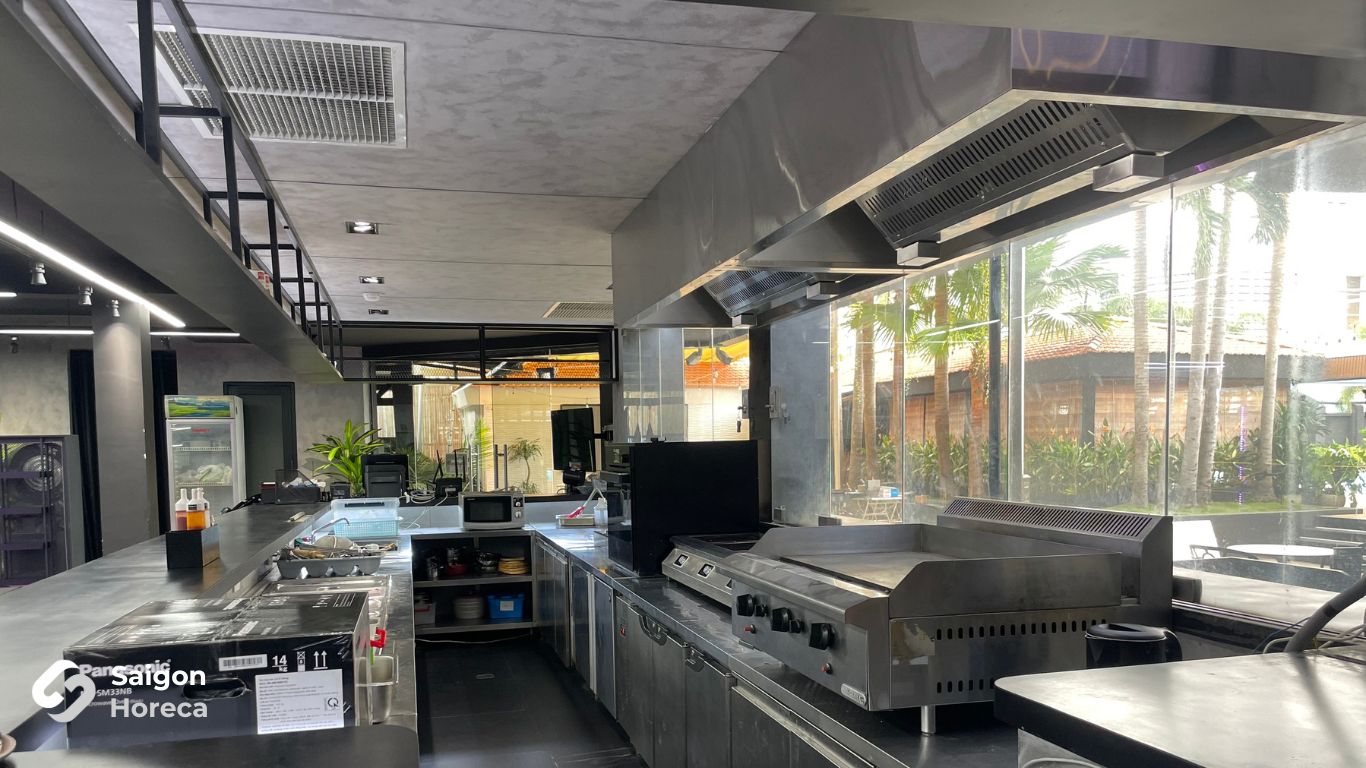
Lighting standards lights up when the hood is installed
When installing a kitchen exhaust system, paying attention to lighting is very important, especially in the working space of the cooking area. Hood systems can obscure natural light and light from other sources, reducing working conditions and work efficiency of kitchen staff. To overcome this, it is necessary to follow lighting standards when installing a range hood:
1. Arrange the lighting system:
- Add lighting: To ensure that the cooking area is always bright enough, you need to install additional lighting on the kitchen counter. This helps maintain good working conditions for employees, ensuring they can perform their cooking and food preparation tasks correctly and safely.
- Light installation location: Lights should be installed so that the light is evenly distributed across the entire kitchen area under the hood. This helps minimize dark areas and facilitates food processing.
2. Characteristics of lighting:
- Heat and moisture resistant: Lighting needs to be specially designed to withstand environmental conditions in the kitchen area. Because the kitchen has high temperatures and high humidity, the lamp needs to have good heat and moisture resistance to ensure durability and long-term lighting performance.
- Ensure light quality: Lights need to provide light strong enough to illuminate the entire cooking area without causing glare. Lighting needs to be uniform and not cause shadows, helping employees easily see the work that needs to be done.
- Lamp life: Choose a lamp with a long lifespan to minimize the frequency of replacement and maintenance. LED lights or specialized lights for the kitchen environment are the ideal choice because they are highly durable and consume little energy.
3. Aesthetics and convenience:
- Aesthetic design: Lighting should be harmoniously integrated with the overall design of the hood system and kitchen space, ensuring aesthetics and creating a professional working environment.
- Maintenance convenience: Ensure that the lighting system is easy to access and maintain when needed. This helps maintain lighting performance without the difficulty of replacing or repairing the lamp.
By complying with these standards, you will ensure that the exhaust system not only works effectively in removing smoke and odors, but also provides adequate lighting to the kitchen area, creating optimal working conditions for employees.
Saigon Horeca – A reliable address for designing standard kitchen exhaust systems
When it comes to designing smoke extraction systems for commercial kitchens, quality and standards are indispensable. Saigon Horeca is proud to be a professional unit, providing design and installation services for kitchen exhaust systems according to the highest standards. With many years of experience and extensive understanding of technical requirements and safety standards, we are committed to providing the most optimal solution for your kitchen space.
Our services include:
- Design of smoke extraction system according to standards: We ensure that the smoke extraction system is designed based on international standards and the specific needs of each stove, from installation location to capacity and wind speed.
- Consulting and choosing quality equipment: We provide high quality smoke extraction equipment, exhaust fans, and other accessories, ensuring efficiency and long-term durability. We choose equipment appropriate to the size and capacity of the system to achieve optimal efficiency.
- Professional installation and maintenance: Our team of technicians install the smoke extraction system correctly, ensuring effective and safe operation. We also provide periodic maintenance services to keep the system in the best operating condition.
- Effective lighting solution: We design a suitable lighting system for the kitchen area, ensuring adequate and uniform lighting right under the smoke extraction system, helping to create comfortable and effective working conditions.
Benefits of choosing Saigon Horeca:
- Quality standards: We strictly comply with quality and safety standards in the design and installation of kitchen exhaust systems.
- In-depth consultation: Our team of experts will provide detailed advice and support you in choosing the solution that best suits the needs of your commercial kitchen.
- Dedicated customer service: We are committed to providing dedicated customer service, ready to support you throughout the system design, installation and maintenance process.
Please contactSaigon Horeca for advice and design of a standard kitchen exhaust system, helping you optimize operational efficiency and maintain a clean, safe kitchen environment.
Successful Projects of Saigon Horeca
 Facebook
 Zalo
Zalo